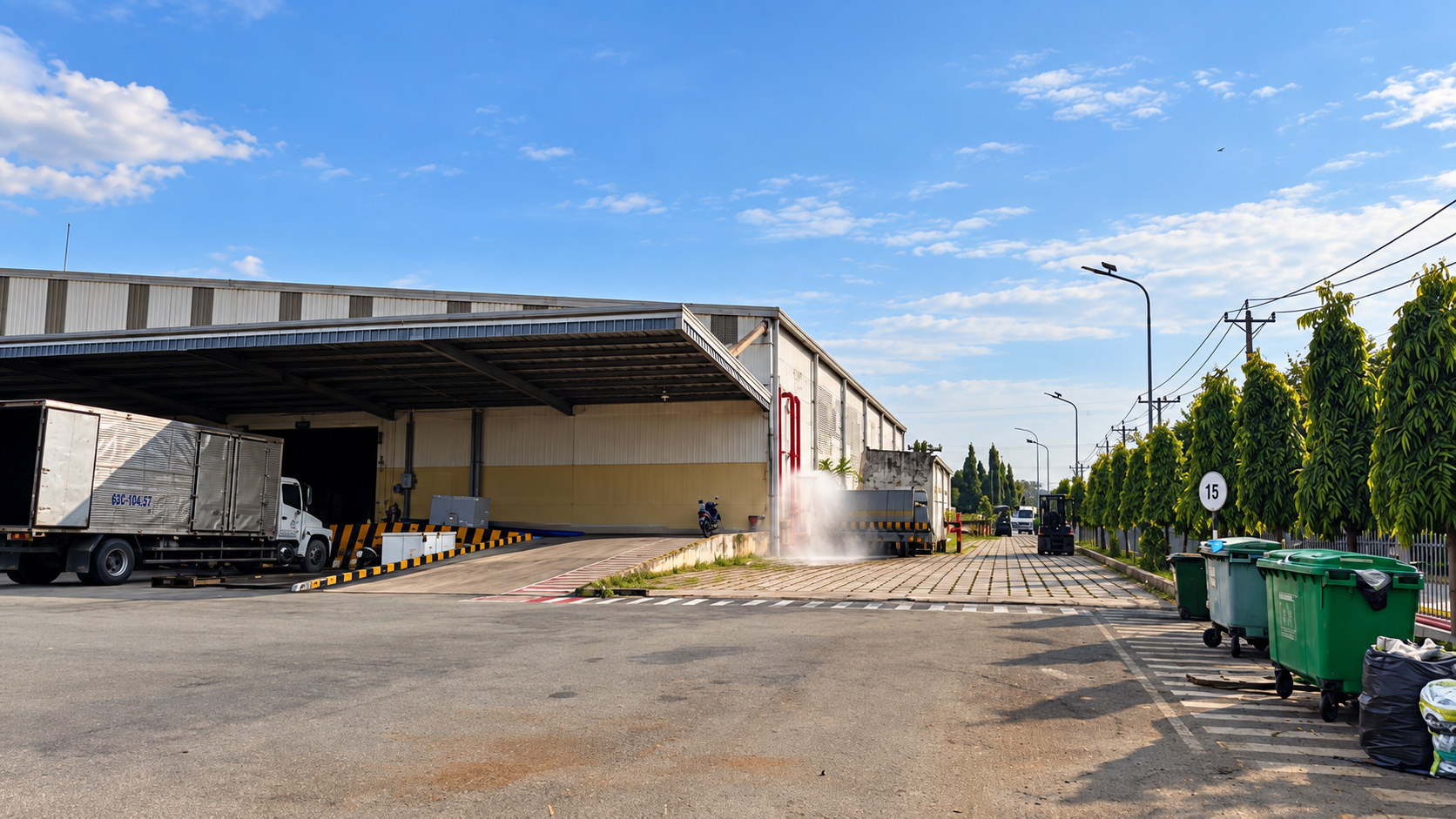
A fire pump station is one of the key components of a water-based fire protection system. During a fire event, the pumping system is responsible for supplying water at the required flow and pressure according to the approved system design. Proper fire pump operation therefore involves much more than simply starting or stopping a pump. Operators need to verify the water supply, valves, electrical power, control panel, equipment condition and overall system readiness. The exact configuration of a fire pump station depends on the building and the approved fire protection design. A typical installation may include a jockey pump, a main electric fire pump, a diesel fire pump, control panels, suction and discharge piping, isolation valves, pressure gauges and monitoring equipment. Operators should always follow the approved operating procedure, the equipment manufacturer's instructions and the requirements applicable to the specific facility.

The jockey pump maintains normal pressure in the fire protection piping and compensates for small pressure drops or minor water losses. When system pressure decreases within the configured range, the jockey pump may start automatically to restore pressure.
The main fire pump provides the primary water flow required when the fire protection system demands a larger volume of water. Depending on the design, the pump may be driven by an electric motor or another approved power source.
Some fire pump installations include a diesel-driven fire pump as a backup. It may provide an alternative source of pumping power when the main electrical supply or electric fire pump is unavailable. Fuel level, batteries, engine oil, cooling systems and starting capability should therefore be checked according to the manufacturer's instructions.
The control panel manages the operation of the fire pumps and displays important operating or fault conditions. Operators should understand the Auto and Manual modes, indicator lights, alarms and other controls before carrying out operating procedures.
Verify that the fire water tank or approved water source is available and in the proper condition for operation. The water supply must meet the requirements of the approved fire protection design.
Visually inspect the piping around the pump room. Fire protection valves should be in the correct position according to the approved operating diagram. Look for leakage, corrosion, abnormal vibration, mechanical damage or other visible problems. Do not randomly close or change the position of critical valves without following the approved operating procedure.
Check the pump casing, motor, coupling and associated equipment. Inspect pressure gauges, mechanical components and visible signs of leakage. For diesel fire pumps, also check fuel, lubrication oil, batteries, cooling equipment and other starting conditions specified by the manufacturer.
Check the incoming power supply, indicator lights, alarms and general panel condition. If the system is designed for automatic operation, verify that the controller is in the appropriate operating mode. Do not change pressure settings, control logic or other programmed parameters without proper authorization.
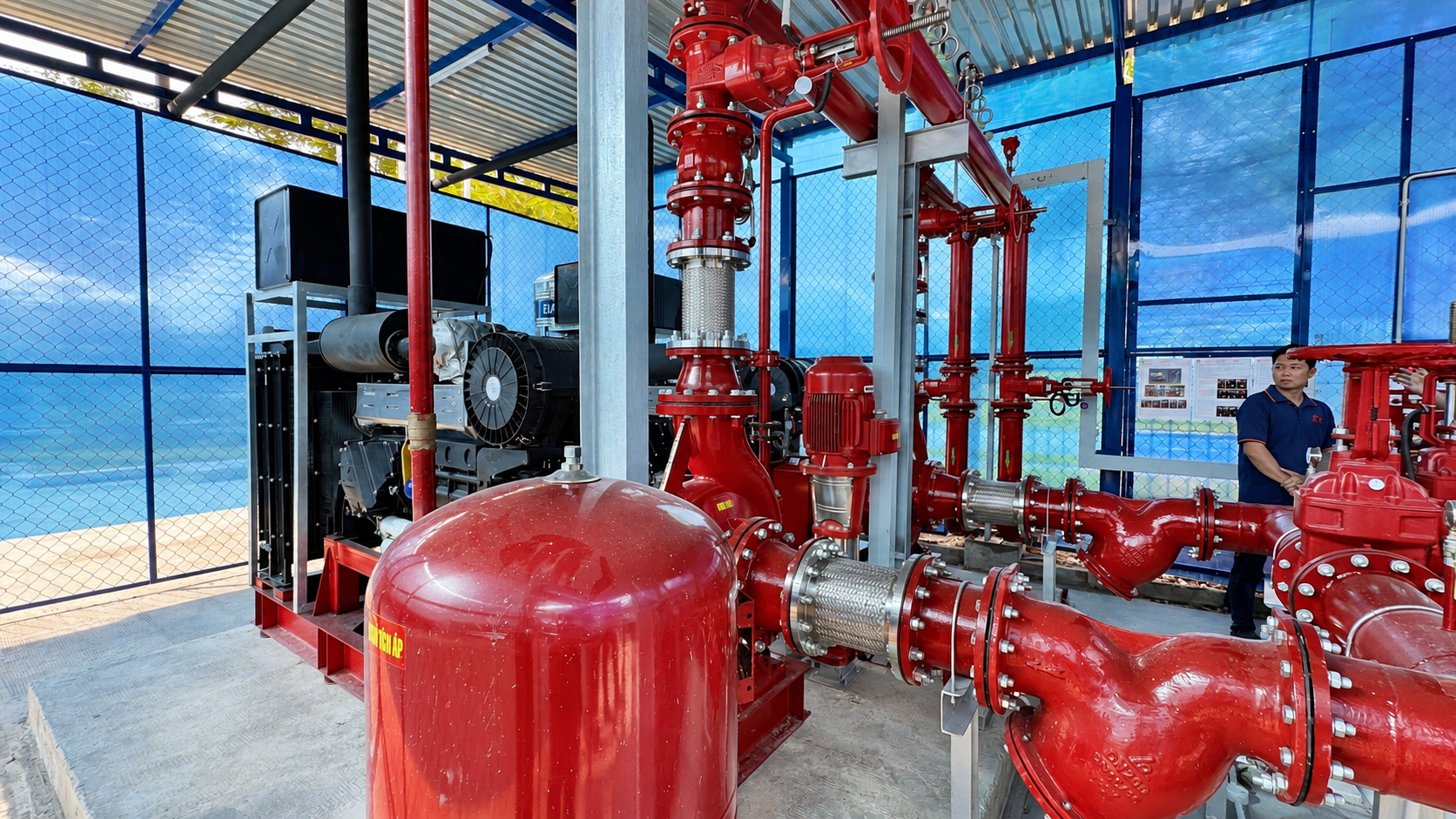
Before operation, ensure that the pump room is clean, accessible and free from unnecessary obstructions. Check the piping, valves, control panel and pumps for abnormal conditions.
Confirm that the power supply required by the system is available. For diesel-driven pumps, also verify fuel supply and starting batteries.
After the inspection, confirm that the pump controller is set to the appropriate operating mode. Automatic operation is normally used when the system is designed to respond automatically to changes in fire protection system pressure. Operators should not arbitrarily modify pressure thresholds, controller settings or operating logic.
During normal standby conditions, the jockey pump may operate to maintain system pressure. Operators should observe its starting and stopping behavior. A jockey pump that runs continuously or starts unusually frequently may indicate leakage, pressure loss or another system condition requiring investigation.
When the system experiences a pressure drop that requires fire water flow, the fire pump may start automatically according to the approved system design. The operator should monitor pump operation, controller status and pressure readings. If the automatic start function fails, manual starting should only be performed according to the facility's approved procedure and the manufacturer's instructions.
While the pump is running, monitor pressure, vibration, noise, motor temperature, leakage and controller alarms. Do not approach rotating components or attempt maintenance work while the equipment is operating. Serious abnormalities should be handled according to the site's safety procedures.
Once the fire event has been controlled and the system no longer requires fire water, the pump should be stopped only according to the approved operating procedure. The system should then be inspected, including the cause of activation, valve positions, water supply, electrical power and related equipment, before returning the fire pump station to normal standby condition.
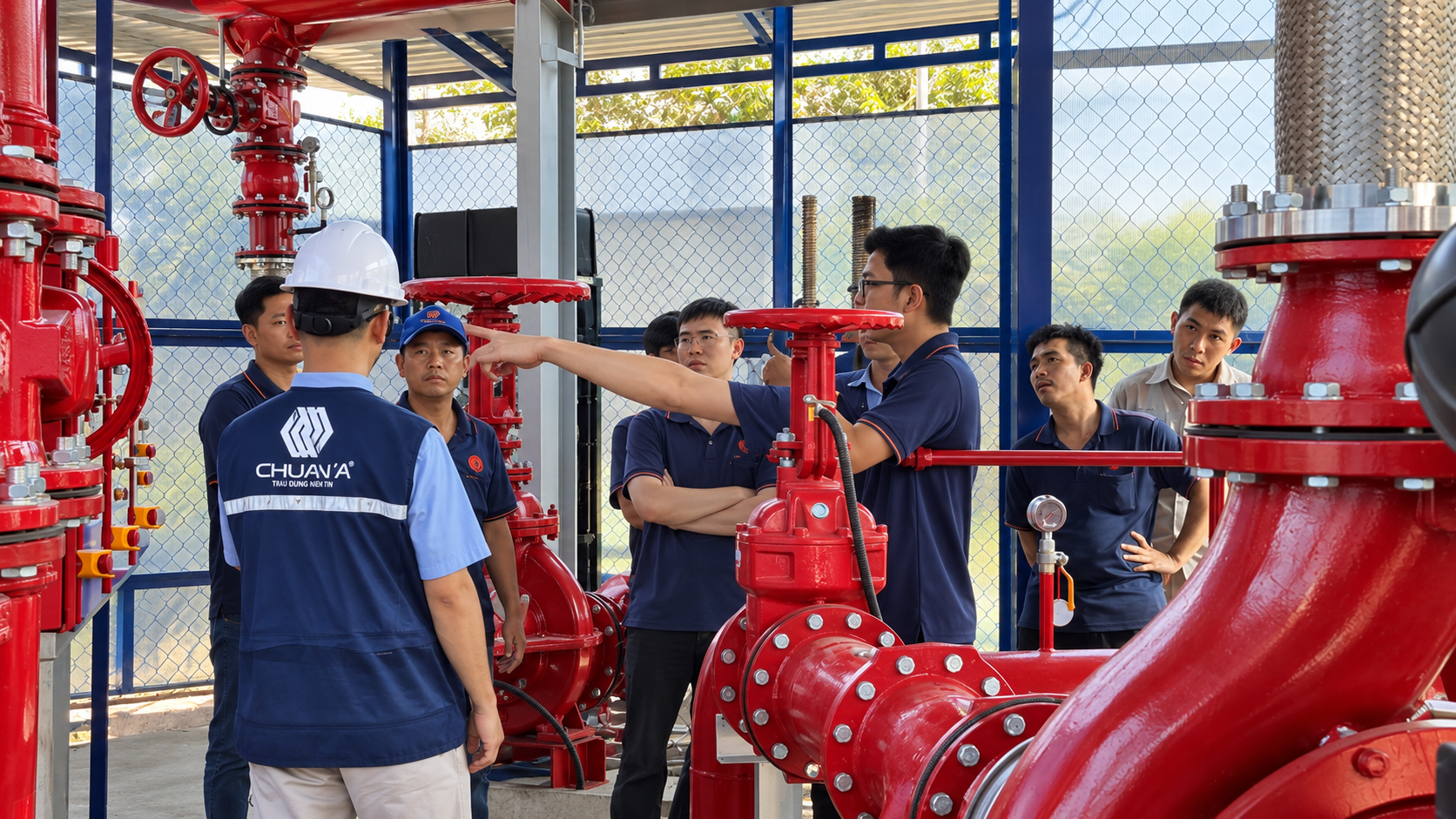
The wrong controller mode can affect the system's ability to respond when fire protection water is required. Operators should regularly verify the controller status.
Incorrect valve positions can restrict water flow to the fire protection system. Critical valves should be controlled, inspected and documented according to the facility's procedures.
Power faults, battery alarms and other warning signals should be investigated rather than ignored. Small faults can become significant equipment problems if they remain unresolved.
A diesel fire pump should not be checked only when an emergency occurs. Fuel, batteries, oil, cooling systems and starting capability should be inspected according to the maintenance program.
Reliable operation requires regular inspection and maintenance. Depending on the system, inspection activities may include pumps, control panels, piping, valves, pressure gauges, electrical supply, fuel supply, water storage tanks and associated equipment. An operating log should record inspection dates, equipment conditions, alarms, test results and corrective actions. Proper records help facility managers identify recurring problems and respond to equipment abnormalities earlier. Applicable fire protection requirements should be checked against the current regulations and standards for the specific project. In Vietnam, TCVN 7336:2021 covers design and installation requirements for automatic water and foam fire-extinguishing systems, while TCVN 3890:2023 addresses the provision and arrangement of fire prevention and firefighting equipment and systems for buildings and structures. QCVN 06:2022/BXD together with Amendment 1:2023 is also relevant to fire safety requirements for buildings and structures.
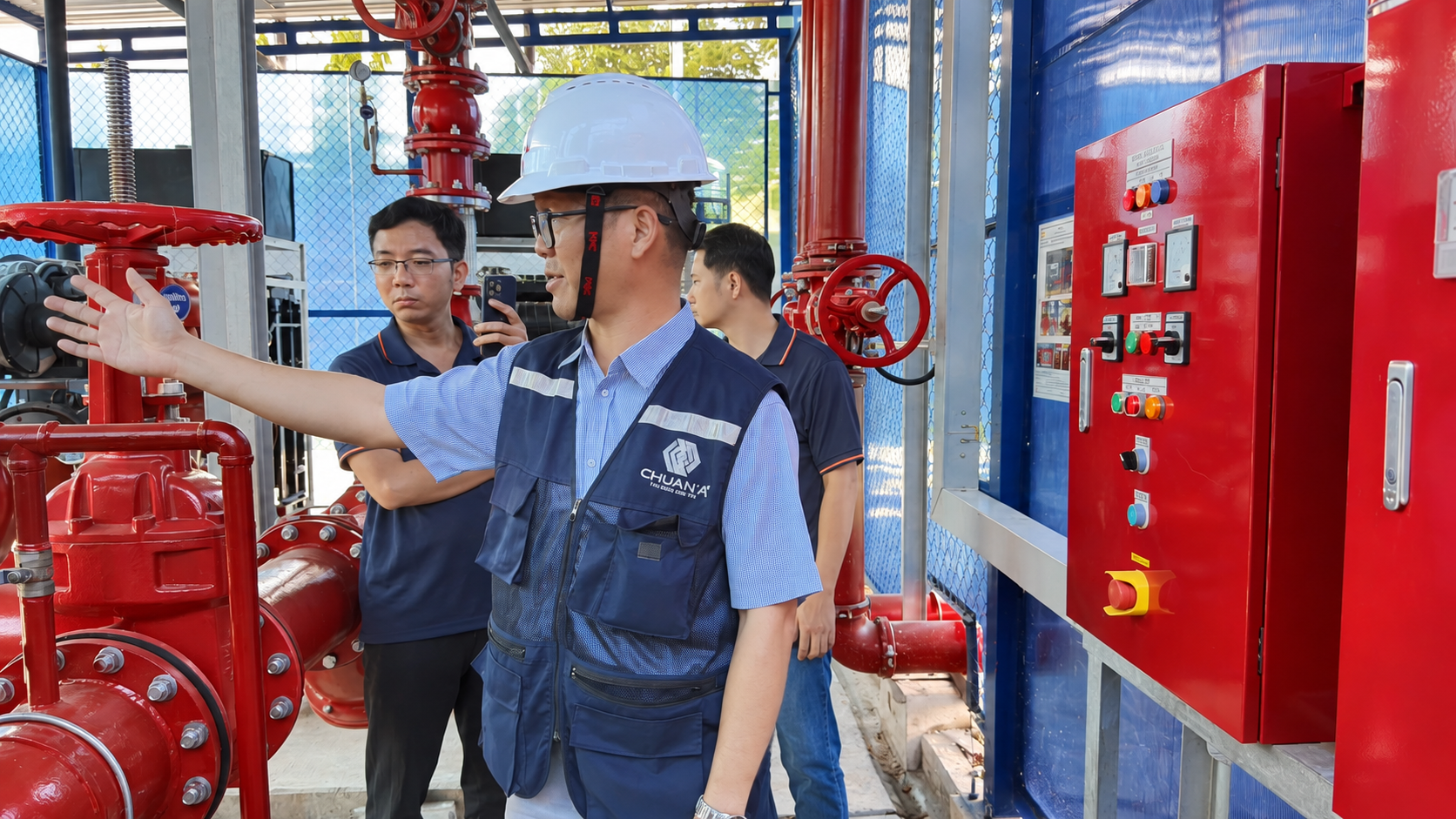
Personnel operating fire pump equipment should be properly trained and assigned clear responsibilities. Operators should understand the system layout, control modes, emergency procedures and equipment limitations. Do not modify controller settings, remove protective equipment or change pump configurations without appropriate authorization. During an actual fire emergency, life safety and the facility's approved emergency response plan take priority. This article provides general operational guidance and does not replace the approved fire protection design, facility-specific operating procedures or equipment manufacturer's manuals.
Inspection frequency should follow the facility's approved maintenance and inspection program. Additional inspections should be performed when alarms, leaks, abnormal vibration, unusual noise or other system changes are detected.
When automatic operation is part of the approved design, the controller should normally remain in the required automatic operating mode. The system should also be inspected regularly to ensure that the power supply, control signals and associated equipment remain ready.
Continuous operation should not automatically be considered normal. Operators should investigate possible causes such as water demand, leakage, pressure loss or control signals. The correct response depends on the specific system design.
Fire pump operation should be assigned to personnel who have received appropriate training and are familiar with the facility's approved procedures, system configuration and emergency response requirements.
CHUAN A CONSTRUCTION INVESTMENT PROJECT JOINT STOCK COMPANY
Address: Amata Industrial Park Service Center, Long Binh Ward, Dong Nai Province, Vietnam.
Hotline: 0907 494 549
Email: info@chuana.com.vn
Website:https://chuana.com.vn/
Contact Chuan A to discuss site surveys, design, turnkey construction, renovation, or expansion of industrial factory facilities in Dong Nai and nearby areas.


