
Xây dựng công nghiệp trọn gói đang trở thành lựa chọn được nhiều doanh nghiệp quan tâm khi đầu tư nhà xưởng, nhà máy, kho logistics, văn phòng công nghiệp hoặc hạ tầng kỹ thuật. Thay vì chia nhỏ dự án cho nhiều đơn vị riêng lẻ, mô hình trọn gói giúp chủ đầu tư làm việc với một đầu mối chính, từ tư vấn, thiết kế, lập kế hoạch, thi công đến hoàn thiện và bàn giao công trình.
Trong bối cảnh các dự án công nghiệp ngày càng yêu cầu tiến độ nhanh, kỹ thuật đồng bộ, tiêu chuẩn an toàn cao và khả năng vận hành lâu dài, cách làm rời rạc dễ tạo ra nhiều rủi ro. Một bên thiết kế, một bên thi công, một bên làm M&E, một bên làm PCCC và nhiều nhà cung cấp vật tư khác nhau có thể khiến chủ đầu tư phải tự đứng giữa để điều phối. Nếu không có đội ngũ quản lý dự án chuyên sâu, quá trình này dễ phát sinh chậm tiến độ, xung đột bản vẽ, tăng chi phí và khó kiểm soát chất lượng.
.png)
Xây dựng công nghiệp trọn gói là hình thức một đơn vị hoặc một tổng thầu đảm nhận toàn bộ hoặc phần lớn các giai đoạn quan trọng của dự án công nghiệp. Phạm vi có thể bao gồm khảo sát hiện trạng, tư vấn phương án đầu tư, thiết kế kiến trúc, thiết kế kết cấu, thiết kế hệ thống M&E, thiết kế hệ thống PCCC, lập dự toán, tổ chức thi công, quản lý tiến độ, kiểm soát chất lượng, nghiệm thu và bàn giao.
Với mô hình này, chủ đầu tư không phải tự mình kết nối quá nhiều đơn vị khác nhau. Thay vào đó, một đầu mối chính sẽ chịu trách nhiệm điều phối các hạng mục, kiểm soát tiến độ và xử lý các vấn đề phát sinh. Điều này đặc biệt phù hợp với các công trình nhà xưởng, nhà máy, kho bãi hoặc công trình kỹ thuật có nhiều hệ thống cần phối hợp đồng bộ.
Điểm quan trọng của xây dựng công nghiệp trọn gói không chỉ nằm ở việc thi công nhanh hơn. Giá trị thật sự nằm ở khả năng nhìn dự án như một hệ thống hoàn chỉnh. Nhà xưởng không chỉ có móng, cột, mái và tường. Bên trong đó còn có điện, nước, thông gió, chiếu sáng, đường ống, báo cháy, chữa cháy, lối thoát hiểm, văn phòng, sân bãi, đường nội bộ và các điều kiện vận hành sau này.
Công trình công nghiệp có độ phức tạp cao hơn nhiều so với các công trình thông thường. Một nhà xưởng phải chịu tải máy móc, xe nâng, nguyên vật liệu, hàng hóa, hệ thống kỹ thuật và hoạt động sản xuất liên tục. Một nhà máy không chỉ cần không gian sản xuất mà còn cần kho, văn phòng, phòng kỹ thuật, hệ thống cấp thoát nước, điện công nghiệp, thông gió, PCCC và hạ tầng phụ trợ.
Nếu từng hạng mục được triển khai rời rạc, khả năng xung đột là rất lớn. Đường ống PCCC có thể vướng máng cáp. Ống gió có thể vướng dầm thép. Tủ điện có thể đặt sai vị trí vận hành. Lối thoát hiểm có thể bị ảnh hưởng bởi layout kho. Sân bãi có thể không đủ tải cho xe container. Những lỗi này thường không xuất hiện rõ ở giai đoạn đầu, nhưng khi thi công hoặc vận hành mới bộc lộ và gây tốn kém.
Xây dựng công nghiệp trọn gói giúp các bộ môn được phối hợp từ sớm. Khi kiến trúc, kết cấu, M&E và PCCC cùng được tính trong một quy trình, công trình sẽ giảm nguy cơ xung đột và tăng tính thực tế. Chủ đầu tư cũng dễ nắm tình hình hơn vì thông tin được gom về một đầu mối thay vì phân tán ở nhiều bên.
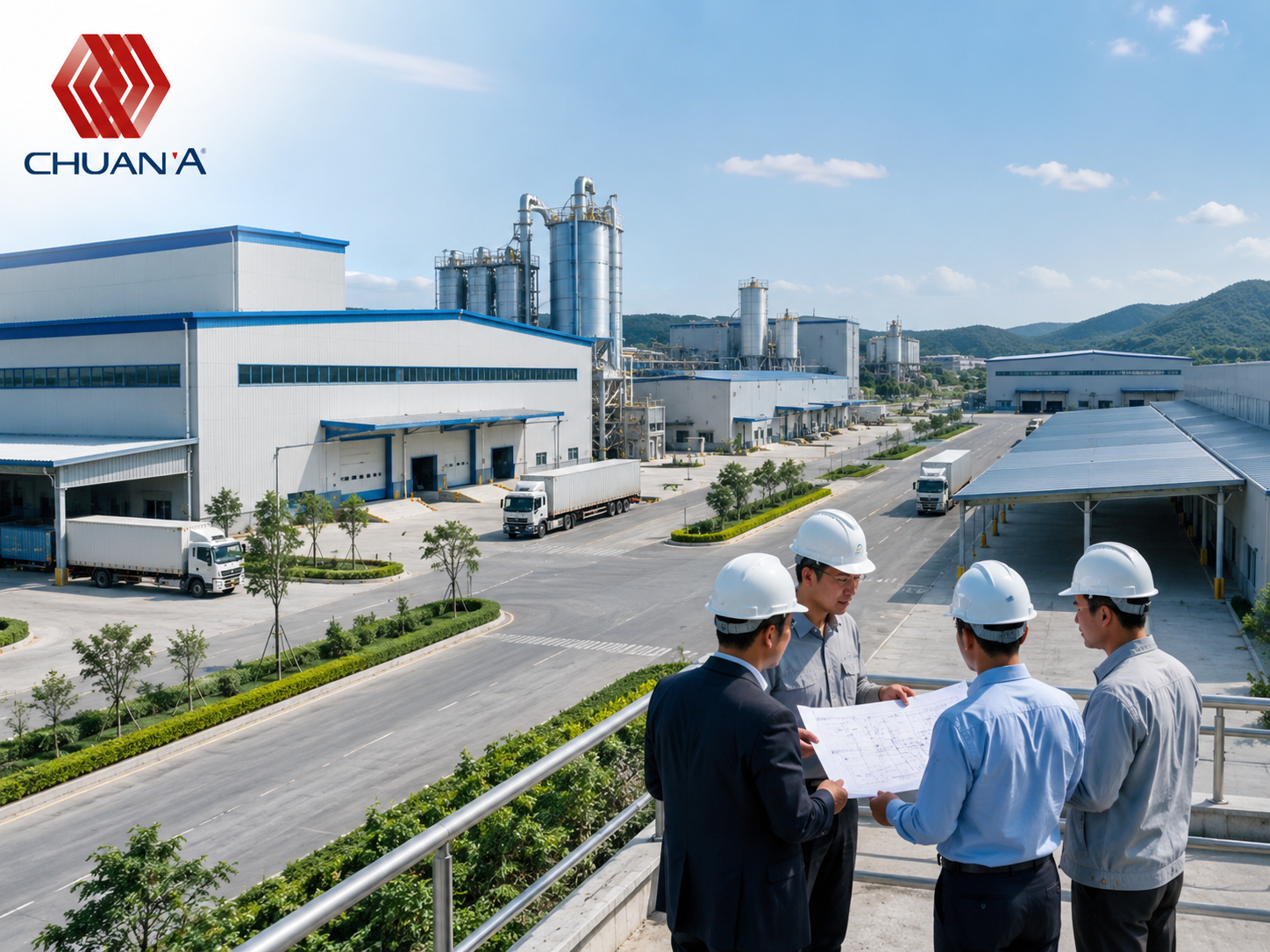
Lợi ích đầu tiên của xây dựng công nghiệp trọn gói là chủ đầu tư có một đầu mối chịu trách nhiệm chính. Trong mô hình truyền thống, khi có vấn đề xảy ra, các bên rất dễ đổ trách nhiệm cho nhau. Đơn vị thiết kế có thể cho rằng lỗi do thi công. Đội thi công có thể nói bản vẽ chưa rõ. Đơn vị M&E có thể cho rằng kết cấu không chừa không gian kỹ thuật. Đội PCCC có thể bị ảnh hưởng bởi layout thay đổi.
Khi có một đơn vị trọn gói điều phối, trách nhiệm được xác định rõ hơn. Chủ đầu tư không phải mất quá nhiều thời gian phân xử giữa các nhà thầu. Mọi vấn đề liên quan đến tiến độ, bản vẽ, vật tư, thi công và nghiệm thu đều có một đơn vị chính đứng ra xử lý. Điều này giúp dự án vận hành mạch lạc hơn, đặc biệt trong các giai đoạn cần ra quyết định nhanh.
Đối với doanh nghiệp sản xuất, thời gian là yếu tố quan trọng. Nếu nhà xưởng chậm bàn giao, kế hoạch nhập máy, tuyển nhân sự, chạy thử dây chuyền và nhận đơn hàng đều có thể bị ảnh hưởng. Một đầu mối rõ ràng giúp giảm độ trễ trong giao tiếp và hạn chế tình trạng thông tin bị đứt đoạn.
Tiến độ là một trong những yếu tố quan trọng nhất khi đầu tư công trình công nghiệp. Mỗi tuần chậm tiến độ có thể ảnh hưởng đến kế hoạch sản xuất, chi phí thuê đất, chi phí nhân sự, lịch nhập thiết bị và hợp đồng với khách hàng. Vì vậy, chủ đầu tư cần một quy trình thi công có kế hoạch rõ ràng và khả năng điều phối mạnh.
Mô hình trọn gói giúp tiến độ được quản lý theo chuỗi công việc liên tục. Khi thiết kế, mua sắm vật tư, thi công xây dựng, lắp đặt M&E và thi công PCCC được phối hợp bởi một đầu mối, các công đoạn có thể được sắp xếp hợp lý hơn. Nhà thầu có thể biết hạng mục nào cần triển khai trước, hạng mục nào có thể làm song song và hạng mục nào phải chờ nghiệm thu nội bộ.
Ví dụ, trong một dự án nhà xưởng, phần nền móng có thể được triển khai song song với quá trình gia công kết cấu thép. Hệ thống M&E và PCCC có thể được chuẩn bị bản vẽ phối hợp trước khi khung nhà hoàn thiện. Vật tư dài ngày có thể được đặt mua sớm để tránh chờ đợi. Những việc này nếu được quản lý tốt sẽ giúp dự án tiết kiệm nhiều thời gian.
Nhiều doanh nghiệp nghĩ rằng xây dựng trọn gói sẽ có chi phí cao hơn thuê từng đội riêng lẻ. Tuy nhiên, nếu xét trên tổng chi phí thực tế, mô hình trọn gói có thể giúp tối ưu tốt hơn. Lý do là chi phí của một dự án công nghiệp không chỉ nằm ở vật tư và nhân công, mà còn nằm ở phát sinh, sửa lỗi, chậm tiến độ, thay đổi bản vẽ và khó khăn khi nghiệm thu.
Một nhà thầu trọn gói có khả năng đề xuất giải pháp phù hợp ngay từ đầu. Nếu chủ đầu tư có ngân sách cụ thể, nhà thầu có thể tư vấn phương án kết cấu, vật liệu, M&E, PCCC và hạ tầng tương ứng. Điều này giúp tránh tình trạng thiết kế quá mức cần thiết hoặc chọn giải pháp không phù hợp với nhu cầu vận hành.
Tối ưu chi phí không có nghĩa là cắt giảm chất lượng. Ngược lại, tối ưu đúng là chọn phương án vừa đủ, đúng tiêu chuẩn, dễ thi công, dễ bảo trì và phù hợp mục tiêu sử dụng. Một công trình có chi phí ban đầu hợp lý nhưng vận hành ổn định sẽ mang lại hiệu quả tốt hơn so với công trình rẻ ban đầu nhưng phát sinh liên tục sau bàn giao.
Trong công trình công nghiệp, M&E và PCCC là hai nhóm hạng mục có ảnh hưởng rất lớn đến vận hành và an toàn. Nếu hai hạng mục này không được tính từ đầu, công trình có thể gặp nhiều vấn đề. Đường điện thiếu công suất, chiếu sáng không phù hợp, thông gió yếu, đường ống chữa cháy vướng kết cấu, đầu phun bị che bởi kệ hàng hoặc tủ trung tâm đặt ở vị trí bất tiện đều có thể gây ảnh hưởng lâu dài.
Xây dựng công nghiệp trọn gói giúp M&E và PCCC được phối hợp với kiến trúc và kết cấu ngay từ giai đoạn thiết kế. Các tuyến ống, máng cáp, tủ điện, phòng kỹ thuật, lối thoát hiểm, đầu báo, đầu phun và bơm PCCC được tính toán cùng nhau. Điều này giúp công trình thi công gọn hơn, ít phải chỉnh sửa và dễ vận hành sau này.
Với các nhà xưởng có nhu cầu mở rộng, sự đồng bộ này càng quan trọng. Nếu doanh nghiệp dự kiến tăng công suất trong tương lai, hệ thống điện, nước, thông gió và PCCC nên có phương án dự phòng. Khi đó, việc mở rộng sẽ thuận lợi hơn và ít ảnh hưởng đến hoạt động sản xuất hiện tại.
Phát sinh trong xây dựng là điều khó tránh hoàn toàn, nhưng có thể giảm đáng kể nếu dự án được chuẩn bị kỹ. Những phát sinh phổ biến trong công trình công nghiệp gồm thay đổi bản vẽ, thiếu thông tin kỹ thuật, xung đột giữa các hệ thống, vật tư không phù hợp, điều kiện hiện trường khác dự kiến hoặc thay đổi công năng từ chủ đầu tư.
Mô hình trọn gói giúp giảm phát sinh bằng cách kiểm soát thông tin ngay từ đầu. Khi khảo sát, thiết kế, dự toán và thi công cùng nằm trong một quy trình, dữ liệu dự án được truyền tải tốt hơn. Đơn vị thi công hiểu ý đồ thiết kế, đơn vị thiết kế hiểu điều kiện thi công và chủ đầu tư có được phương án thực tế hơn.
Ngoài ra, một nhà thầu trọn gói có kinh nghiệm thường biết trước những rủi ro hay gặp. Họ có thể cảnh báo chủ đầu tư về nền đất, thoát nước, tải trọng, layout kho, đường xe, vị trí kỹ thuật, PCCC hoặc kế hoạch mở rộng. Phát hiện rủi ro sớm luôn rẻ hơn xử lý rủi ro muộn.
Chất lượng công trình công nghiệp phụ thuộc vào nhiều yếu tố: vật tư, tay nghề, biện pháp thi công, giám sát, nghiệm thu từng hạng mục và hồ sơ bàn giao. Nếu có quá nhiều đơn vị tham gia nhưng không có quy trình thống nhất, chất lượng dễ bị lệch giữa các phần công trình.
Với mô hình xây dựng công nghiệp trọn gói, tiêu chuẩn chất lượng có thể được thiết lập đồng bộ từ đầu. Nhà thầu chính có trách nhiệm kiểm soát vật tư đầu vào, quy trình thi công, tiến độ từng hạng mục, an toàn lao động và nghiệm thu nội bộ. Điều này giúp công trình có chất lượng ổn định hơn.
Chất lượng không chỉ thể hiện ở lúc bàn giao. Nó thể hiện rõ hơn trong quá trình vận hành. Một nền sàn tốt giúp xe nâng di chuyển ổn định. Một mái tốt giúp giảm dột và giảm nhiệt. Một hệ thống điện tốt giúp máy móc hoạt động an toàn. Một hệ thống PCCC tốt giúp doanh nghiệp yên tâm hơn trước rủi ro. Vì vậy, kiểm soát chất lượng cần được xem là đầu tư dài hạn.
Công trình công nghiệp cần nhiều loại hồ sơ sau khi hoàn thiện. Chủ đầu tư cần bản vẽ hoàn công, hồ sơ vật tư, hồ sơ kết cấu, hồ sơ M&E, hồ sơ PCCC, biên bản nghiệm thu, hướng dẫn vận hành và tài liệu bảo trì. Nếu các hạng mục do nhiều đơn vị riêng lẻ thực hiện, việc gom hồ sơ có thể mất thời gian và dễ thiếu sót.
Trong mô hình trọn gói, nhà thầu chính có trách nhiệm tổ chức hồ sơ bàn giao theo hệ thống. Điều này giúp chủ đầu tư thuận tiện hơn khi vận hành, bảo trì, kiểm tra hoặc cải tạo sau này. Hồ sơ rõ ràng cũng hỗ trợ doanh nghiệp trong quá trình làm việc với đối tác, đơn vị kiểm tra và cơ quan liên quan.
Đặc biệt với M&E và PCCC, hồ sơ đầy đủ rất quan trọng. Nếu không có bản vẽ hoàn công và tài liệu thiết bị, việc bảo trì hoặc xử lý sự cố sau này sẽ khó khăn hơn. Một dự án chuyên nghiệp cần kết thúc bằng bộ hồ sơ chuyên nghiệp, không chỉ bằng hình ảnh công trình hoàn thiện.
Doanh nghiệp nên chọn xây dựng công nghiệp trọn gói khi dự án có nhiều hạng mục cần phối hợp, chẳng hạn như nhà xưởng kết hợp văn phòng, nhà máy có hệ thống M&E phức tạp, kho cần PCCC theo tiêu chuẩn cao, công trình cần hoàn thành nhanh hoặc dự án có kế hoạch mở rộng trong tương lai.
Mô hình trọn gói cũng phù hợp khi chủ đầu tư không có đội quản lý dự án nội bộ mạnh. Thay vì tự điều phối nhiều bên, doanh nghiệp có thể giao trách nhiệm tổng thể cho một đơn vị có kinh nghiệm. Điều này giúp chủ đầu tư tập trung vào kế hoạch sản xuất, tài chính, nhân sự và thị trường.
Ngoài ra, doanh nghiệp mới đầu tư nhà máy lần đầu cũng nên cân nhắc mô hình này. Vì chưa quen quy trình xây dựng công nghiệp, chủ đầu tư có thể gặp khó trong việc đánh giá bản vẽ, dự toán, vật tư, tiến độ, M&E, PCCC và nghiệm thu. Một đơn vị trọn gói có thể giúp quá trình triển khai dễ hiểu và an toàn hơn.
Không phải đơn vị nào cũng đủ năng lực làm trọn gói. Chủ đầu tư cần xem xét kinh nghiệm thực tế của nhà thầu trong lĩnh vực công nghiệp. Một đơn vị quen làm công trình dân dụng chưa chắc đã hiểu yêu cầu của nhà xưởng, nhà máy hoặc kho logistics. Công trình công nghiệp có yêu cầu riêng về tải trọng, kỹ thuật, tiến độ, an toàn và vận hành.
Chủ đầu tư cũng cần xem rõ phạm vi công việc trong báo giá. Cùng là trọn gói nhưng mỗi đơn vị có thể bao gồm các hạng mục khác nhau. Có báo giá chỉ gồm phần xây dựng cơ bản, chưa bao gồm M&E, PCCC, hạ tầng hoặc hồ sơ nghiệm thu. Nếu không kiểm tra kỹ, chủ đầu tư có thể tưởng là đủ nhưng sau đó lại phát sinh nhiều phần ngoài hợp đồng.
Ngoài ra, cần đánh giá quy trình làm việc của nhà thầu. Một đơn vị chuyên nghiệp nên có bước khảo sát, tư vấn, thiết kế, dự toán, lập tiến độ, biện pháp thi công, kiểm soát chất lượng, an toàn lao động, nghiệm thu và bàn giao hồ sơ. Quy trình rõ ràng giúp dự án ít rủi ro hơn.
Chuẩn A định hướng cung cấp giải pháp xây dựng công nghiệp đồng bộ, từ tư vấn, thiết kế đến thi công nhà xưởng, văn phòng, M&E và PCCC. Đây là các hạng mục cốt lõi mà một dự án công nghiệp hiện đại cần phối hợp chặt chẽ. Khi các phần này được xem xét cùng nhau, công trình sẽ có tính vận hành tốt hơn.
Với vị trí hoạt động tại khu vực Đồng Nai và khả năng phục vụ các doanh nghiệp tại các vùng công nghiệp lân cận như Bình Dương, Chuẩn A có lợi thế trong việc hiểu nhu cầu của chủ đầu tư nhà xưởng, nhà máy và kho bãi. Cách tiếp cận của Chuẩn A không chỉ là thi công một công trình, mà là tạo ra một không gian sản xuất an toàn, ổn định và có khả năng phát triển.
Xây dựng công nghiệp trọn gói có phù hợp với dự án nhỏ không?
Có. Dù dự án không quá lớn, mô hình trọn gói vẫn giúp chủ đầu tư tiết kiệm thời gian quản lý, giảm rủi ro phối hợp và kiểm soát chất lượng tốt hơn.
Xây dựng trọn gói có bao gồm M&E và PCCC không?
Tùy phạm vi hợp đồng. Chủ đầu tư cần kiểm tra kỹ báo giá và phạm vi công việc. Với các dự án công nghiệp, nên ưu tiên đơn vị có khả năng phối hợp cả xây dựng, M&E và PCCC.
Có nên chọn nhà thầu trọn gói chỉ vì giá rẻ không?
Không nên. Chủ đầu tư cần đánh giá cả kinh nghiệm, năng lực kỹ thuật, phạm vi công việc, vật tư, tiến độ, bảo hành và hồ sơ bàn giao. Giá rẻ nhưng thiếu hạng mục hoặc chất lượng không rõ ràng có thể làm tăng chi phí sau này.
Xây dựng công nghiệp trọn gói là giải pháp phù hợp cho doanh nghiệp muốn kiểm soát tiến độ, tối ưu chi phí, đồng bộ kỹ thuật và giảm áp lực quản lý dự án. Với công trình nhà xưởng, nhà máy, kho bãi hoặc hạ tầng kỹ thuật, sự phối hợp giữa kiến trúc, kết cấu, M&E và PCCC là yếu tố quyết định hiệu quả vận hành. Chuẩn A có thể đồng hành cùng chủ đầu tư trong quá trình tư vấn, thiết kế, thi công và hoàn thiện các công trình công nghiệp tại Đồng Nai, Bình Dương và khu vực lân cận.
CÔNG TY CP ĐẦU TƯ XÂY DỰNG CÔNG TRÌNH CHUẨN A


