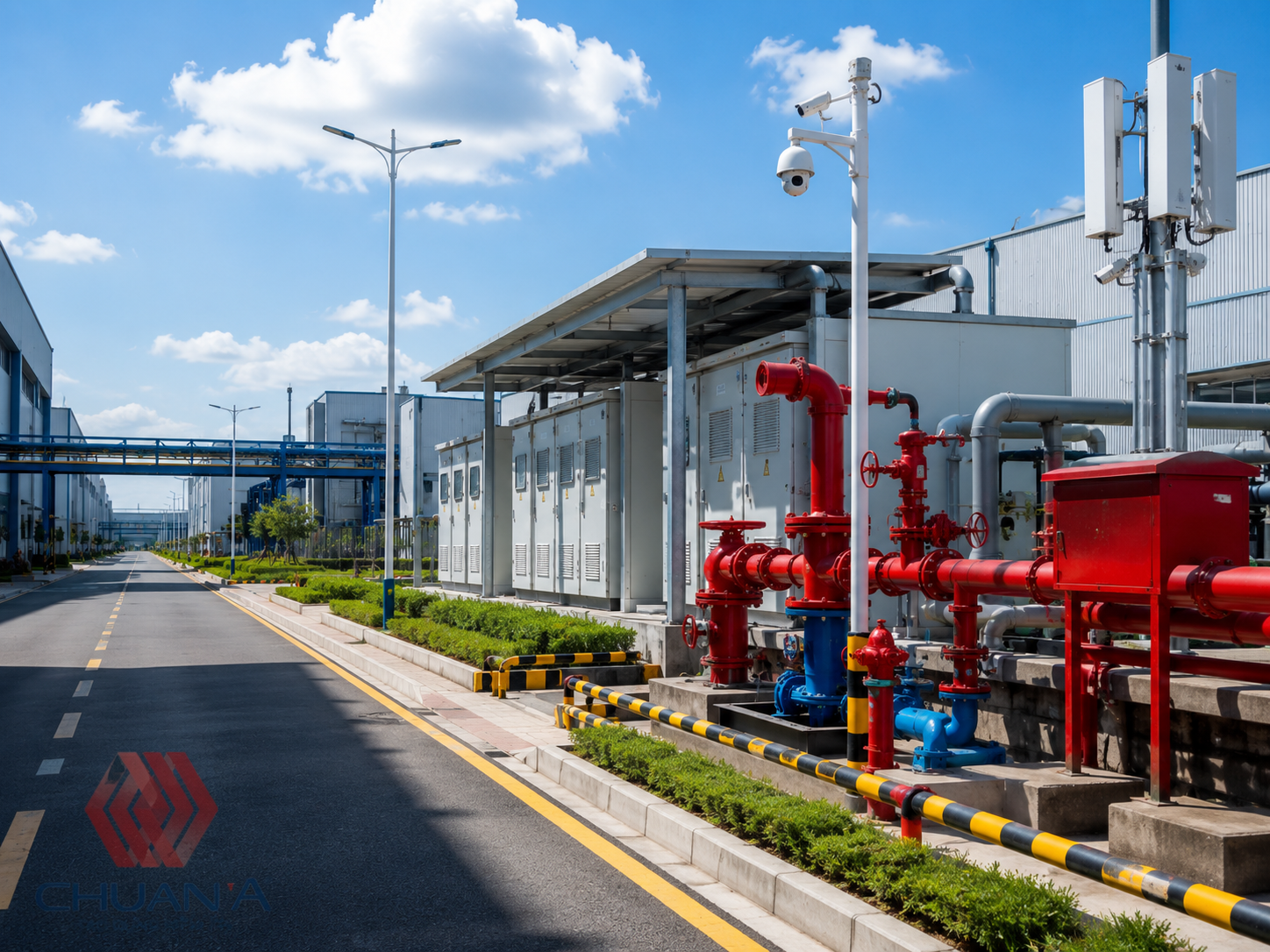
Factory metal roof installation mistakes are common causes of roof leakage, gutter overflow, standing water, corrosion, roof vibration, loud noise, and reduced building lifespan. For factories, manufacturing plants, and warehouses, metal roofs usually cover large areas, are installed at height, and include many sheet overlaps, screws, gutters, and roof penetrations. A small installation mistake can become a serious problem when the rainy season arrives.
Many investors believe that choosing good roofing material is enough. In reality, good materials can still fail if installation is poor. Thick roofing sheets can still leak if overlaps are wrong. Good screws can still cause leakage if they are fastened incorrectly. New gutters can still overflow if they are undersized. A durable roof depends not only on the roofing sheet, but also on the entire design, installation, and inspection process.
Understanding common factory metal roof mistakes helps investors control quality better, read quotations more accurately, and avoid cheap but risky solutions. A metal roof is like a giant raincoat for the factory. If the seams, zipper, or edges are open, rain will find them quickly.
.png)
Factory metal roofs are much larger than residential roofs. They have wide roof areas, long drainage lengths, many roofing sheets, dense purlin systems, long gutters, and high installation conditions. This makes detail control more important.
Mistakes can happen at many stages, including site survey, roof slope design, material selection, purlin layout, sheet installation, overlap treatment, screw fastening, ridge cap installation, gutter construction, roof penetration treatment, and final inspection.
Some mistakes do not appear immediately at handover. The roof may look clean during sunny days, but during heavy rain with wind, water begins to enter hidden gaps. Therefore, metal roof installation should not be checked only by appearance. It should be checked by technique and by understanding water movement.
The first mistake is performing an incomplete site survey before installation. For new construction, if drawings, elevations, drainage direction, and gutter positions are not checked, the roof may be arranged incorrectly. For renovation projects, if the old roof, purlins, gutters, leak points, and deteriorated areas are not inspected, the installation solution may miss important work items.
A poor survey often leads to incomplete quotations, unexpected costs during construction, or wrong problem solving. For example, an investor may want to replace roofing sheets, but the purlins below are already corroded. If new sheets are installed on weak purlins, the new roof can still sag, vibrate, or leak after a short time.
To prevent this, investors should require the contractor to conduct a real site survey, take photos, measure roof areas, check drainage, and assess leak-prone points. One careful survey can save many repair visits later.
Wrong material selection is common when investors focus only on price. Roofing sheets that are too thin, poorly coated, or unsuitable for the operating environment may corrode, dent, vibrate, and deteriorate quickly. For factories exposed to humidity, dust, chemical vapor, or high heat, material selection should be more careful.
Single-layer metal roofing may be suitable for projects that need cost optimization, but if the factory has many workers, heat-generating machinery, or needs rain noise reduction, insulated roofing may be a better choice. On the other hand, using unnecessarily high-end materials for a simple building can also increase investment cost.
A quotation should clearly state roofing type, thickness, coating, color, brand, or material standard when needed. A quotation that only says “metal roofing” is like a mystery box placed on the roof. It looks simple, but it may hide surprises.
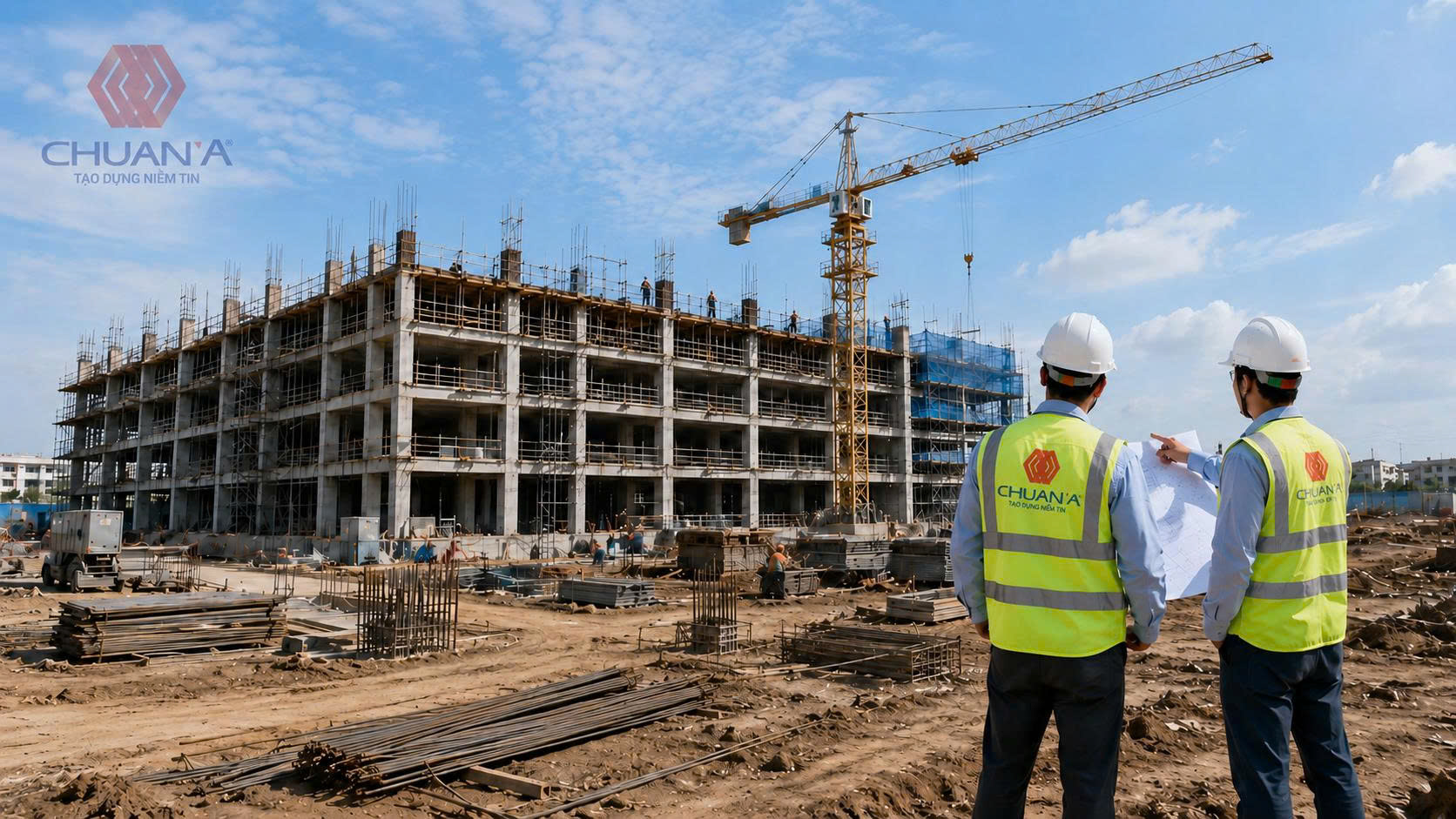
Purlins directly support roofing sheets. If purlin spacing is too wide, sheets may sag, vibrate, create loud noise, or lose load capacity. If spacing is uneven, sheet installation and screw fastening may also lose accuracy.
For factory metal roofs, purlin spacing should be calculated based on roofing type, sheet thickness, load requirements, roof slope, and structural design. Purlins should not be arranged by guesswork or only to save steel. Saving in the wrong place can make the roof deteriorate much faster.
For renovation or roof replacement projects, existing purlins must be checked for load capacity. If purlins are corroded, weak, sagging, or uneven, they should be reinforced before new sheets are installed. New roofing sheets cannot perform well for long on a tired frame.
Another mistake is uneven purlin elevation, which creates a wavy roof surface, local sagging, or low areas. During rain, water may remain in these areas instead of flowing quickly to gutters.
Standing water increases the risk of seepage through sheet overlaps, screw holes, and junctions. It also allows dust to accumulate, increases corrosion risk, and reduces roof lifespan. If many puddles remain after rain, roof elevation and drainage should be checked.
To prevent this, purlin elevation should be checked before roofing sheets are installed. The frame must be straight, correctly sloped, and built according to design. After installation, real drainage performance should be observed to detect early standing water problems.
Roof slope determines drainage speed. If the slope is too low, rainwater moves slowly and can enter through sheet overlaps, screw holes, or junctions. During heavy rain with wind, leakage risk becomes higher.
Some projects choose a low-slope roof to reduce building height, reduce cost, or create a cleaner appearance. However, if the drainage system is not designed with enough capacity, the roof may hold water and gutters may overflow. A roof that looks flat and neat on drawings can become a water tray in reality.
To avoid this mistake, roof slope should be calculated based on roof length, roofing type, local rainfall, gutters, downpipes, and drainage direction. It should not be chosen by feeling or copied from another building.
Sheet overlap is where roofing sheets meet and cover each other. If the overlap is too short, placed against wind-driven rain, lacks screws, or has bent edges, water can enter the building.
Overlap mistakes may not be obvious during sunny weather. But during heavy rain, especially with wind, water can be pushed into overlap gaps. On low-slope roofs, this risk is higher because water moves slowly and has more time to enter.
To prevent this, sheets should be installed in the correct direction, overlap length should be suitable, screws should be placed properly, and sheet edges should be checked after installation. Sheet overlap is the seam of the factory’s raincoat. If the seam is open, water will not politely stay outside.
Roofing screws are small details that can cause major leaks if installed incorrectly. Common mistakes include using low-quality screws, screws that are too short, screws without good washers, fastening screws in the wrong position, overtightening and denting sheet ribs, or undertightening and leaving screws loose.
Each screw hole penetrates the roofing sheet surface. If the rubber washer does not seal properly, water can enter below. Over time, incorrect screw installation can cause corrosion, looseness, enlarged holes, and repeated leakage.
To avoid this, screws must match the roofing type and purlin material, washers must be good quality, screws must be placed correctly, and fastening force must be controlled. Investors should not save money carelessly on screws, because one cheap screw can open the door to a very expensive roof repair.
The ridge cap covers the roof peak where two slopes meet. If the ridge cap is too narrow, misaligned, lacks screws, has poorly sealed edges, or has peeling sealant, water can enter the roof peak during heavy rain with wind.
Ridge cap leaks can be difficult to detect because water may travel along purlins before dripping somewhere else. If investors only look at the dripping point inside the factory, they may repair the wrong location.
During installation, the ridge cap should be correctly sized, aligned, securely fastened, and properly sealed at junctions. If the ridge cap is the roof’s hat, then that hat must sit properly. It cannot tilt halfway and expect rain to stay out.
Edge trims and flashing are protective details at roof edges, wall junctions, roof connections, or around roof penetrations. These areas are highly leak-prone because wind can push water into gaps.
A common mistake is using temporary sealant without proper flashing details. It may not leak at first, but after sun and rain cause material expansion and contraction, the sealant may peel and water can enter.
The solution is to design flashing according to each actual position and guide water outward instead of allowing it to remain at junctions. Sealant should support the system, not stand alone as a lonely hero against the rainy season.
Gutters collect water from the roof. If gutters are too small for the roof area, lack slope, have too few downpipes, or have poorly sealed joints, water can overflow back into the roof and cause leakage.
This mistake is common in large factory roofs. During light rain, the system may seem to work. But during long heavy rain, water flows too quickly, gutters cannot drain fast enough, and water overflows into weak points.
To avoid this, gutters should be calculated based on catchment area, rainfall, gutter length, downpipe quantity, and drainage direction. A good metal roof needs a good water exit. Otherwise, rainwater will hold an emergency meeting on the roof.
Roof penetrations include exhaust fans, ventilation pipes, technical pipes, equipment bases, skylights, or accessories passing through the roof. These areas have high leakage risk because the roof surface is cut, drilled, or water flow is changed.
A common mistake is cutting the roof and applying sealant around the equipment base only. When sun and rain cause materials to expand and contract, sealant can crack, open, and create water paths. For large equipment, water can also remain around the base if drainage is not designed clearly.
The correct method is to use flashing, protective accessories, suitable sealant, and a clear water direction away from the penetration. Each roof penetration is like a small door on the roof, and every door needs a proper lock.
A dangerous mistake is completing installation without careful inspection before handover. If the roof is only viewed from a distance, small defects such as loose screws, open overlaps, standing water in gutters, or unsealed penetrations may be missed.
Post-installation inspection should include roofing surface, screw rows, sheet overlaps, ridge caps, edge trims, gutters, downpipes, roof penetrations, and leftover material cleaning. If possible, water testing should be performed in important areas to evaluate drainage and leak resistance.
Roof acceptance should not only be paperwork. It is the final step to catch small mistakes before the first rain does the job for everyone.
Factory metal roof installation is work at height, with risks of slipping, falling objects, sharp sheet edges, and impact on production areas below. If the contractor does not have safety measures, accident risk is serious.
Common safety mistakes include not using harnesses, not setting roof walkways, not warning the area below, not controlling falling materials, and working in unsuitable weather. These mistakes affect not only quality but also people’s safety.
Investors should prioritize contractors with clear safety procedures, experienced workers, and protective methods for assets below. A good factory roof cannot be built through carelessness.
Many projects do not have a maintenance plan after the metal roof is completed. Over time, screws may loosen, washers may age, gutters may clog, sealant may peel, and roofing sheets may begin to corrode. Without inspection, small defects quietly grow larger.
Maintenance should be performed before and after the rainy season, or after heavy rain and strong wind. Key items include roofing sheets, screws, sheet overlaps, ridge caps, gutters, downpipes, and roof penetrations.
No metal roof stays durable forever without care. Factory roofs should be checked like production machinery: the earlier a defect is found, the lighter the repair cost becomes.
To reduce installation mistakes, investors should start from survey and design. Roof area, slope, drainage direction, roofing material, purlin system, gutters, downpipes, and technical roof penetrations should be clearly identified.
The quotation should clearly state work scope, material types, accessories, installation method, safety measures, warranty, and excluded items. Investors should not choose a quotation only because it is cheap if the content is too general.
During installation, important details such as sheet overlaps, screw fastening, ridge caps, flashing, gutters, and roof penetrations should be supervised. After completion, the roof should be inspected carefully before handover, and periodic maintenance should be planned.
CHUAN’A provides industrial construction solutions, metal roof installation, leak repair, roof replacement, and factory maintenance. For factory metal roofing, CHUAN’A approaches the roof as a complete system instead of treating details separately.
During consulting and installation, CHUAN’A considers project condition, roofing type, purlins, roof slope, gutters, downpipes, screws, ridge caps, flashing, roof penetrations, and operating needs. This approach helps reduce installation mistakes, limit roof leakage, and optimize future maintenance costs.
For factories, manufacturing plants, and warehouses in Dong Nai, Bien Hoa, Binh Duong, and nearby areas, choosing an experienced contractor helps investors gain more confidence in roof quality, drainage performance, and building durability during the rainy season.
Which factory metal roof installation mistakes most often cause leaks?
Common leak-causing mistakes include incorrect sheet overlap, improper screw fastening, poor washers, open ridge caps, gutter overflow, poor roof penetration treatment, and roof slope that is too low.
Why does a newly installed metal roof leak?
A new roof may leak because of incorrect overlaps, improper screw force, poorly sealed ridge caps or flashing, weak gutter drainage, open roof penetrations, or insufficient inspection after installation.
Can installation mistakes be repaired without replacing the whole roof?
Yes, if the defect is local. Possible repairs include replacing screws, treating overlaps, reinforcing ridge caps, repairing gutters, or waterproofing roof penetrations. If the roof has serious design issues, widespread corrosion, or large leakage areas, major renovation may be needed.
How can investors reduce metal roof installation mistakes?
They should conduct a careful survey, choose suitable materials, design proper slope and drainage, hire an experienced installation team, supervise important details, and inspect carefully before handover.
Factory metal roof installation mistakes can occur at many stages, from survey, material selection, purlin layout, roof slope design, sheet overlap, screw fastening, ridge cap sealing, gutter installation, to roof penetration treatment. If not controlled, these mistakes can cause leakage, standing water, corrosion, gutter overflow, and higher maintenance costs. Investors should choose an experienced contractor, request clear quotations, ensure proper installation, and maintain the roof periodically. CHUAN’A can support investors with survey, consulting, and factory metal roof installation in Dong Nai, Bien Hoa, Binh Duong, and nearby areas.
CHUAN'A CONSTRUCTION INVESTMENT JOINT STOCK COMPANY


