When a factory becomes crowded, deteriorates or no longer meets production needs, owners must choose between renovation, expansion and a new building. No option is always cheaper. The decision depends on structural condition, available land, business needs, total costs and production disruption.
.png)
Renovation repairs or upgrades an existing facility, including roofing, floors, utilities and layouts. Expansion adds manufacturing, storage or support space. New construction creates a separate building, either on the same site or elsewhere. These approaches can be combined: a company might renovate its workshop while building an additional warehouse.
Roof leaks, blocked gutters, damaged floors, corrosion or inadequate lighting may justify targeted repairs. However, engineers should assess the foundations, columns and frame before deciding what can safely remain. Surface appearance alone is insufficient.
When machines are relocated or warehouse and forklift routes need reorganizing, adjusting partitions, electrical lines and ventilation may be preferable to rebuilding. Check floor loading, maintenance access and emergency escape routes first.
Excessive heat, high energy use and overloaded utilities can indicate a need for better ventilation, lighting, electrical distribution or drainage. Measure demand and identify causes before replacing equipment.
Expansion is worth considering when more production or storage space is needed and the current site remains convenient for workers and transport. Existing facilities may support the additional building.
However, unused land does not guarantee building permission. Check planning rules, building coverage, emergency access, escape routes and utility capacity. If a new frame or roof connects to the existing structure, engineers must check the loads and connections. Electricity, drainage and fire protection also need sufficient capacity after expansion.
New construction may be preferable when structures are seriously deteriorated, the site cannot expand, the building is too low for new machinery or reinforcement costs become excessive. Unsuitable column spacing, logistics routes or outdated infrastructure can also limit renovation value.
Significant cracking, unusual settlement, severe corrosion or visible frame deformation require prompt professional assessment. Restrict access to unsafe areas and do not decide to demolish or repair based on appearance alone.
Compare alternatives against identical space, capacity and safety requirements. Include site surveys, design, demolition, reinforcement, construction, utilities and contingencies.
Operating factories must also consider moving machines, protecting stock, production shutdowns and lost output. A cheaper renovation can become uneconomical if it causes extended downtime; new construction may add land, infrastructure and relocation costs. Request itemized quotations showing what stays, what changes and what is excluded.
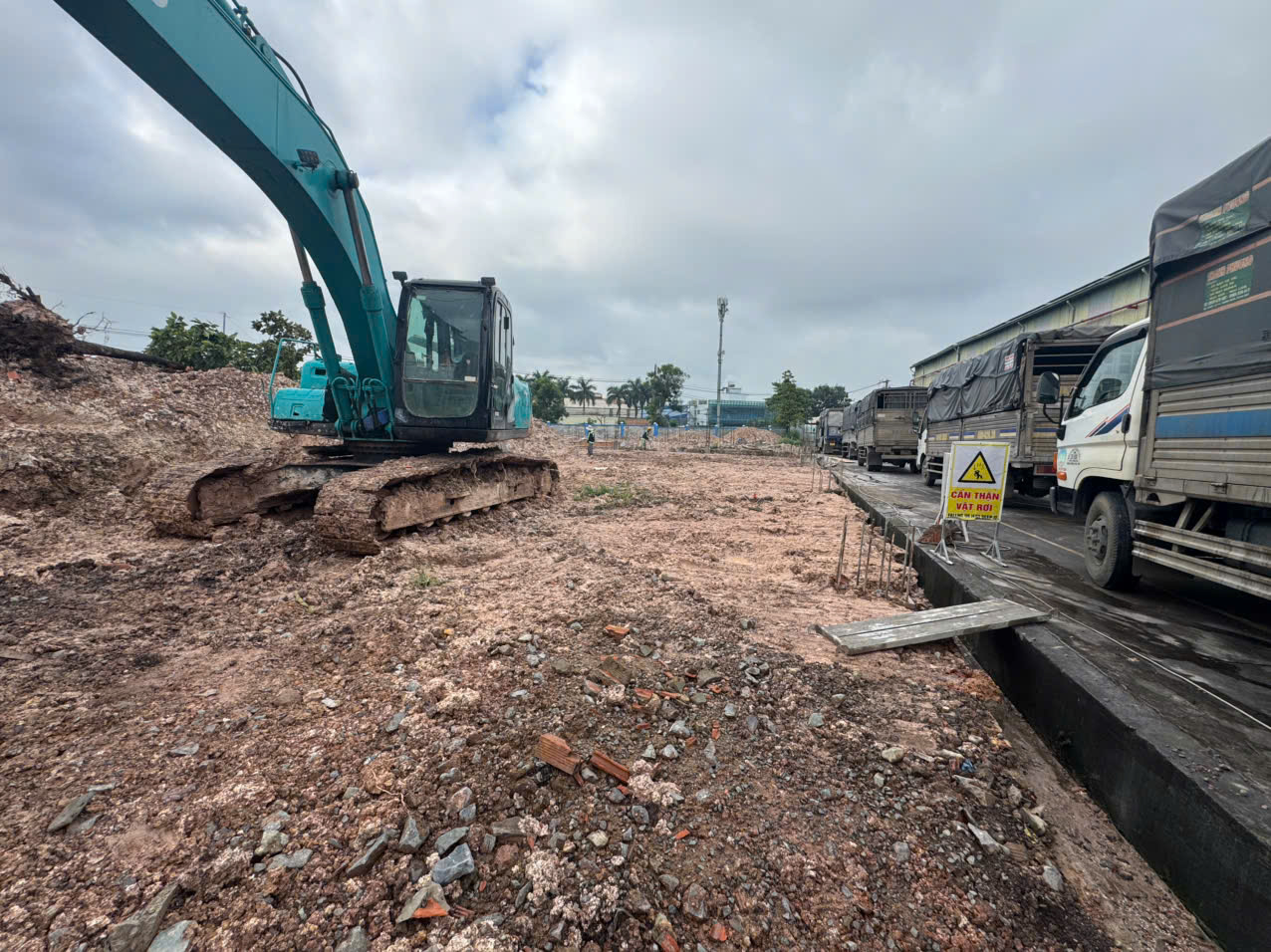
Review foundations, columns, beams, roof framing and industrial floors. Adding mezzanines, cranes or heavy machines requires structural calculations and may require reinforcement. Reassess electricity, ventilation, drainage, fire protection and exits for the proposed use.
Construction, environmental and fire-safety procedures vary by project scope, location and applicable regulations. Confirm requirements with qualified advisers and relevant authorities before work begins.
Work can sometimes be phased by area or scheduled outside production hours, with machinery protected from dust and debris. Separate construction traffic from staff and control welding, lifting, noise and working at height. Structural work or changes to main electrical systems may require temporary shutdowns in affected areas.
Do not promise uninterrupted production until the work sequence and safety measures have been assessed.
A sound factory with a leaking roof may only need repairs. A site with sufficient permitted land may suit an extra warehouse. A building requiring replacement of most structural and technical systems may justify a new project. Each case needs assessment.
CHUAN A CONSTRUCTION INVESTMENT PROJECT JOINT STOCK COMPANY
Address: Amata Industrial Park Service Center, Long Binh Ward, Dong Nai Province, Vietnam.
Hotline: 0907 494 549
Email: info@chuana.com.vn
Website:https://chuana.com.vn/
Contact Chuan A to discuss factory roof inspection, repair, maintenance, or renovation services in Dong Nai.