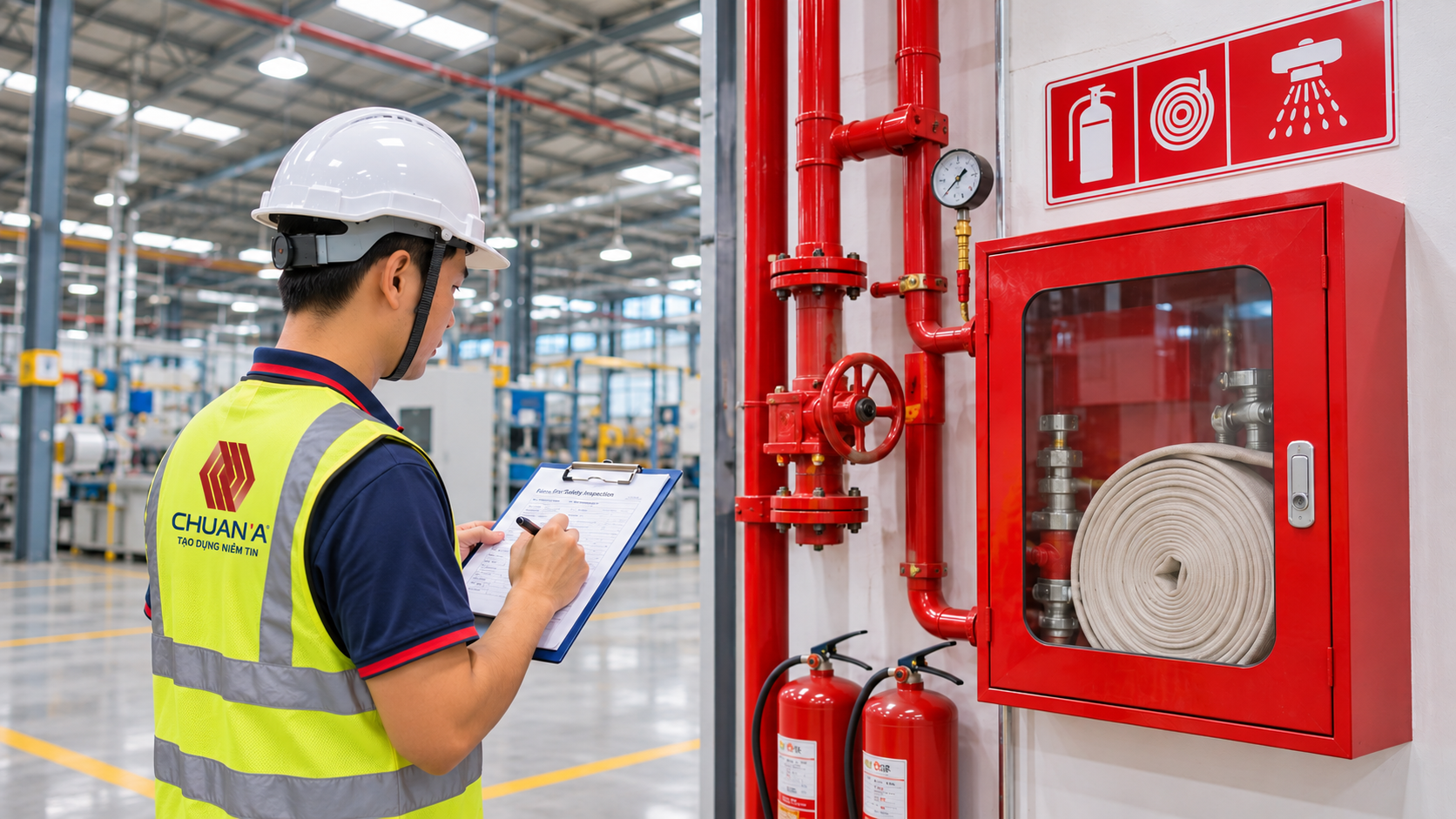
Fire safety is essential for protecting factory workers, equipment and production operations. A facility may have a fire protection system installed but still face risks if equipment deteriorates, exits become blocked or inspection records are neglected. A structured inspection programme helps identify issues early and organise corrective work before an emergency occurs.
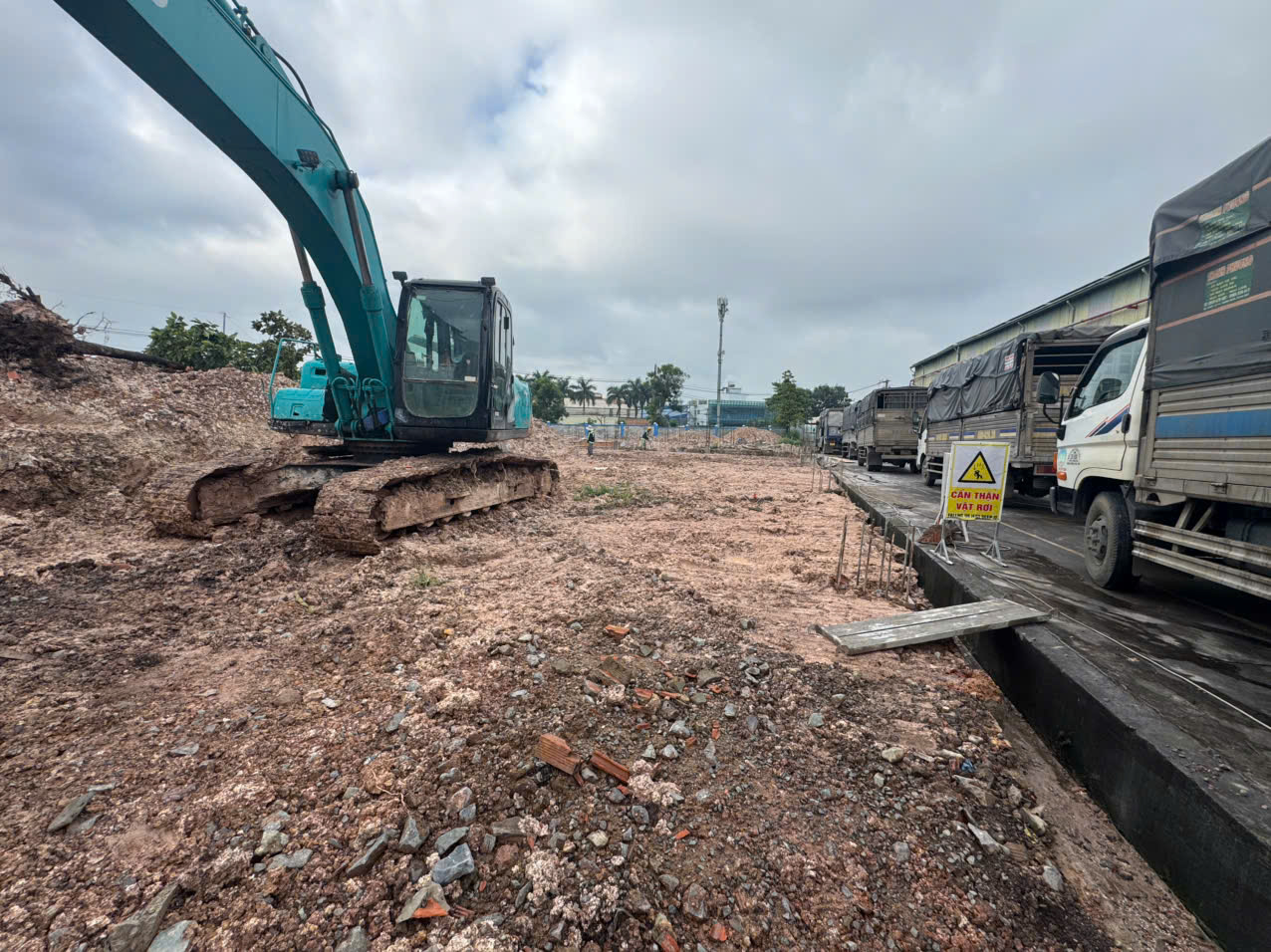
Start with the spaces people need to leave the building safely. Corridors, stairs and emergency exits should remain clear of pallets, inventory and parked equipment. Doors must operate as required by the approved design, without locks or obstructions that prevent evacuation. Fire vehicle access should also remain available.
A layout change can make an old evacuation drawing inaccurate even when every fire protection device appears to be working.
Depending on the project, an alarm system may include a control panel, smoke or heat detectors, manual call points, sounders, visual alarms and backup power. Responsible staff can note trouble indications and visible obstructions. Functional testing, isolation and fault repairs should be carried out by qualified personnel under an approved procedure.
Do not disable a system simply because nuisance alarms are inconvenient. Determine the cause and arrange a controlled correction.
Extinguishers should be suitable for the hazards in their assigned areas, visible and accessible. Check the cylinder for damage, corrosion or leaks; review the safety pin and seal, pressure indicator where fitted, inspection label and applicable service requirements.
An extinguisher that is damaged, has lost pressure or fails an inspection should be assessed and serviced or replaced by an appropriate specialist. Staff should not dismantle valves or refill cylinders without proper training and equipment.
Where water-based systems are installed, inspect the condition of the water supply, fire pump room, piping, valves and hose cabinets. Leakage, unexpected pressure readings, inaccessible cabinets or valves in the wrong position need attention.
Pump testing and checks of flow, pressure or automatic operation should follow the design documents and the facility's procedures. Changes to valves or pump modes must not be made without understanding their impact on fire protection readiness.
Where sprinklers are provided, look for painted, damaged, leaking or obstructed heads. New storage racks, taller stacks of goods or modifications to ceilings may interfere with the spray pattern and the original design assumptions.
Only trained personnel should inspect or replace sprinkler components. Never use sprinkler pipes as supports for other equipment, and do not discharge the system as an informal test.
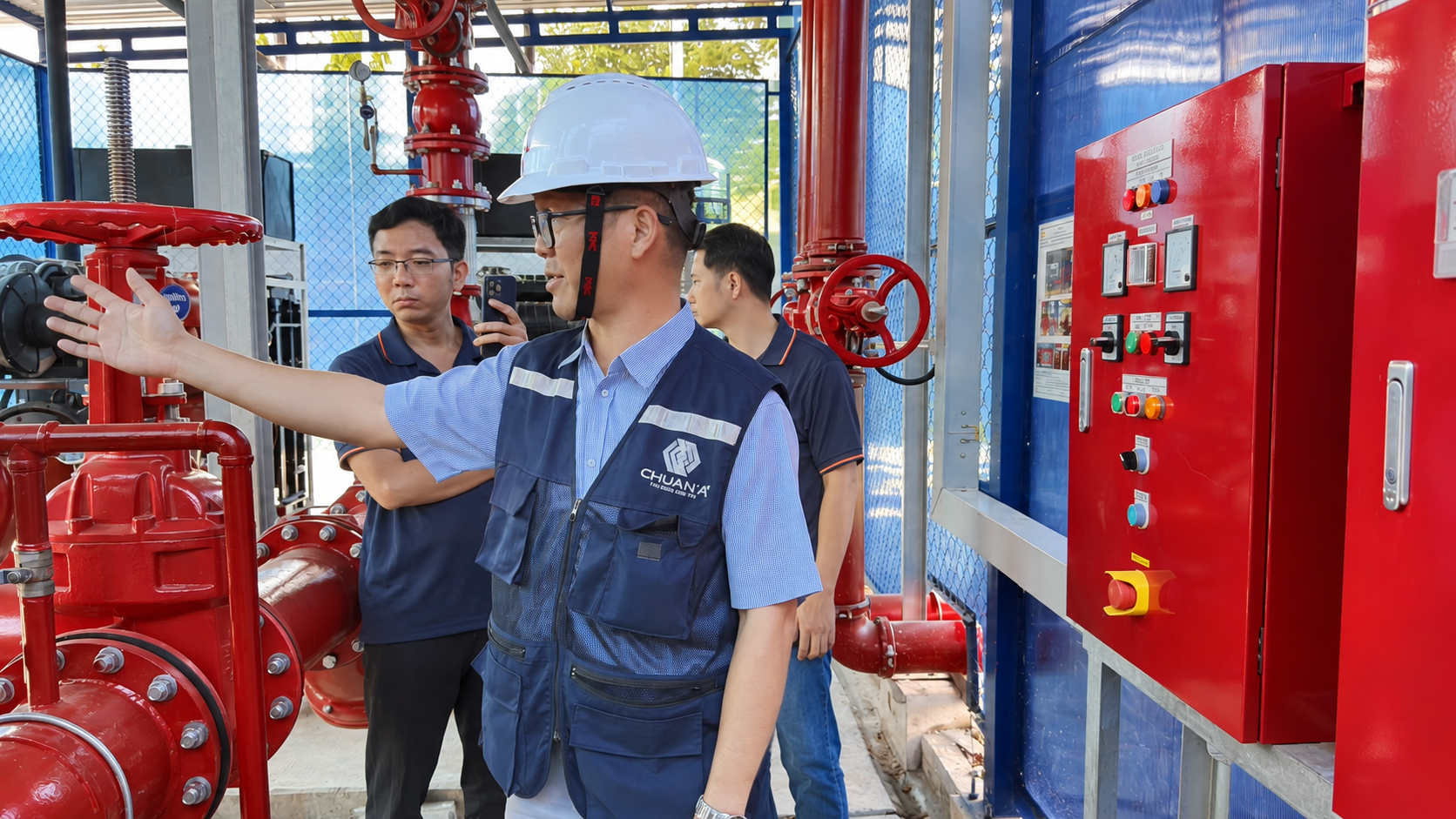
Overheating switchboards, damaged cables, overloaded sockets and heat-producing machines close to combustibles may increase fire risk. Welding areas, battery charging stations, chemical storage and packaging stores require controls based on the actual processes and materials present.
Any smell of burning, visible smoke or electrical arcing should trigger the factory's emergency response procedure. Electrical repairs and hot work require trained staff and the appropriate controls.
Exit signs, emergency lights, evacuation plans and hazard notices need to be legible and visible from the intended locations. Check for obscured signs, broken fittings, failed batteries and outdated plans after changes to the workspace.
A light operating during normal power supply does not by itself prove that its emergency backup will work. Qualified personnel should arrange controlled tests according to the applicable plan.
A sound fire safety programme also requires documentation. Maintain relevant inspection records, maintenance reports, assigned responsibilities, emergency arrangements, training records and drills as applicable. Review these materials whenever machinery, occupancy, storage or the building layout changes.
Routine self-checks, formal self-inspections, equipment maintenance and inspections by authorities are different activities. Their schedules depend on the facility's classification, current Vietnamese regulations, approved design and equipment manufacturer instructions. A single three-to-six-month interval should not be applied to every item.
For Vietnamese requirements, consult Decree 105/2025/ND-CP and the amendments effective on 15 September 2026. The schedule for a particular site should be confirmed with a competent fire safety professional.
Record the location, time, observed condition and affected area; notify the person responsible for fire safety. Immediate hazards such as blocked exits, unavailable firefighting equipment or electrical faults should be prioritised and managed under the facility's emergency and risk-control procedures.
Following repair or servicing, verify the result and update the records. A sticker showing that an item was inspected does not replace confirmation of its correct condition. For background reading, see factory fire protection system components.
Chuan A publishes services covering consultation, design, installation and renovation of factory fire protection systems, including alarm, firefighting and escape-related components. Businesses can share existing plans, equipment conditions and proposed changes to discuss a suitable scope of assessment or improvement, subject to an on-site review.
CHUAN A CONSTRUCTION INVESTMENT PROJECT JOINT STOCK COMPANY
Address: Amata Industrial Park Service Center, Long Binh Ward, Dong Nai Province, Vietnam.
Hotline: 0907 494 549
Email: info@chuana.com.vn
Website:https://chuana.com.vn/
Contact Chuan A to discuss factory roof inspection, repair, maintenance, or renovation services in Dong Nai.