Construction projects often require substantial capital, extended implementation periods, and coordination among multiple stakeholders. If a business starts with a construction requirement without properly evaluating its investment objectives, site conditions, building scale, and financial resources, it may encounter challenges during implementation.
Construction investment consulting supports project owners in reviewing their needs, defining project direction, assessing implementation conditions, and preparing for important investment decisions. This process provides a broader understanding of the project before moving into design, contractor selection, and construction.
Construction investment consulting is a professional support activity that helps project owners develop, prepare, and evaluate a proposed construction project. Depending on the project, consulting may cover needs analysis, site investigation, project sizing, investment options, preliminary cost estimates, and the identification of issues that should be addressed before implementation.
The scope of consulting varies according to project size, characteristics, and development stage. Common areas of review include:
Defining investment objectives: Clarifying the intended use of the facility, business goals, and expected outcomes.
Assessing the site: Reviewing location, land area, existing conditions, and infrastructure connections.
Establishing project scale and functions: Identifying space requirements, operating capacity, and functional areas.
Evaluating investment options: Comparing alternatives in terms of scale, construction solutions, schedule, and resources.
Estimating costs: Reviewing major cost categories to support capital planning.
Identifying risks: Recognizing factors that may affect project cost, schedule, and implementation.
The purpose of construction investment consulting is to provide information that supports informed decisions. It does not replace the project owner's responsibility for investment approval and decision-making.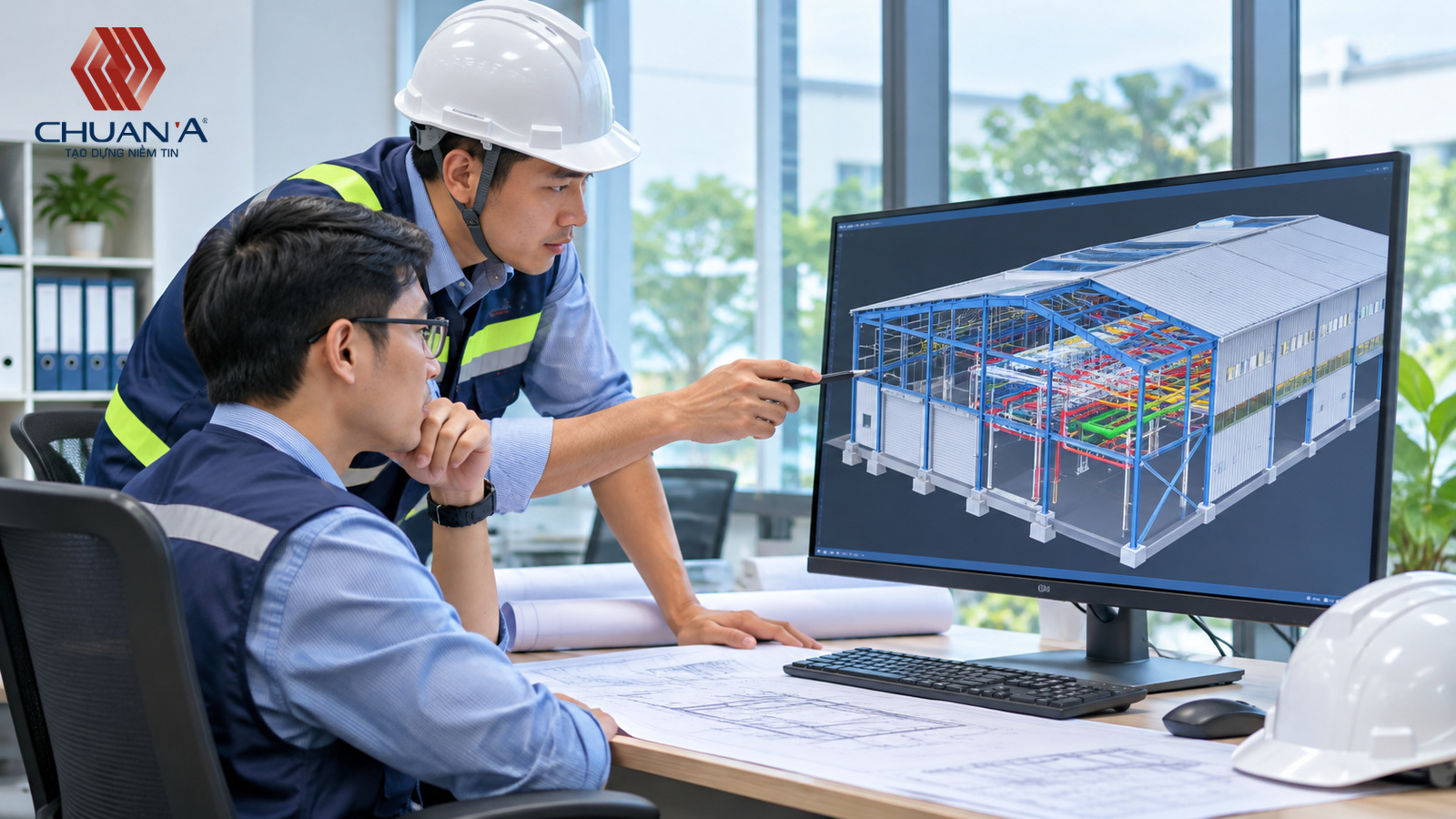
Before construction begins, businesses should define the purpose of the facility, its expected scale, and its future operational requirements.
For example, a manufacturing company may need to determine the required factory floor area, warehouse space, management offices, technical rooms, and supporting facilities. If these requirements are unclear, the design may not support actual operations or may require costly revisions.
Construction costs are not limited to the physical construction work. Depending on the project, total investment may also include preparation, surveying, design, equipment, project management, consulting, infrastructure, and other related expenses.
Reviewing these cost categories during the preparation stage helps project owners develop a more realistic capital plan and reduce the risk of budget shortfalls during implementation.
Complex ground conditions, incomplete existing infrastructure, changes in building functions, and delays in project preparation can all affect implementation.
Early consulting helps identify issues that require investigation, verification, or resolution before the project moves to the next stage.
A building with an attractive design may still be unsuitable for a company's operating processes. Investment decisions should consider usability, maintenance, future expansion, and connections to existing systems.
For factories and industrial facilities, coordination among production areas, warehouses, internal roads, and technical infrastructure can significantly influence operational efficiency.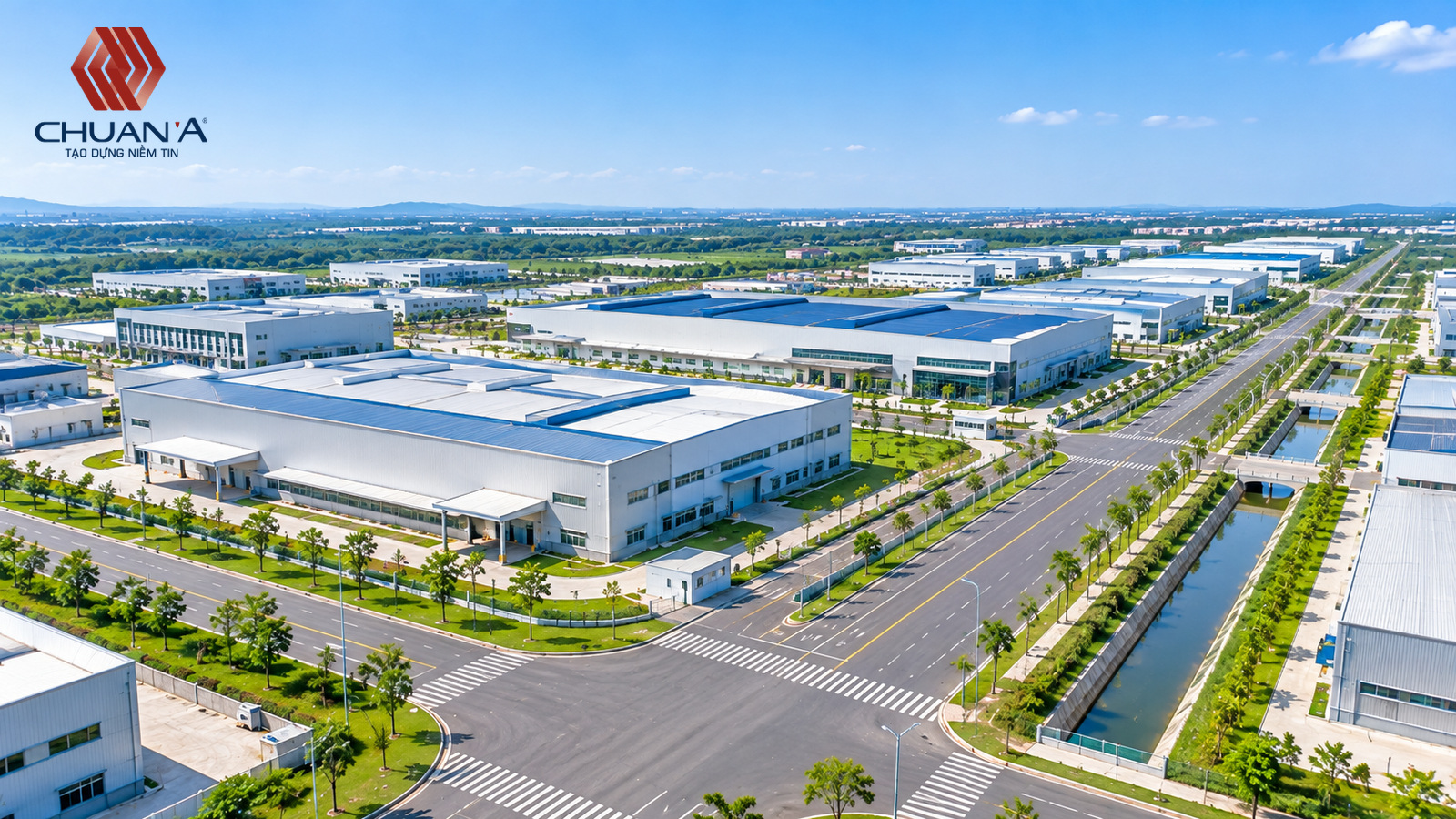
The first step is to clarify the purpose of the project, building type, expected scale, intended use, and the owner's development plans.
Information to collect may include business activities, workforce size, expected production capacity, required floor area, and specific project requirements.
Site investigation helps evaluate the proposed location, terrain, accessibility, existing technical infrastructure, and factors that may affect implementation.
Depending on the project, additional geotechnical surveys, topographic surveys, or inspections of existing structures may be necessary. These findings provide an important basis for selecting design options and technical solutions.
Once the project requirements and site conditions are understood, preliminary options can be developed for building scale, layout, and functional organization.
For industrial projects, production areas, warehouses, offices, technical spaces, internal roads, and supporting facilities should be considered as an integrated system.
At this stage, the major cost categories are identified and reviewed according to the project scope. The project owner should assess available capital, funding schedules, and potential additional expenses.
Cost estimates prepared during early planning are generally preliminary. They should be updated as design documents, quantities, and technical requirements become more clearly defined.
The project should be reviewed for applicable legal conditions, planning requirements, land-use purposes, construction requirements, and related procedures based on its type and location.
Not every construction project follows the same set of procedures. Specific requirements must be determined according to the project characteristics, scale, location, and applicable regulations.
After the main project information has been reviewed, the owner can develop an implementation plan covering investment preparation, design, contractor selection, construction, acceptance, and commissioning.
The plan should identify key milestones, responsible parties, stakeholder responsibilities, and the conditions that must be met before moving to each subsequent stage.
The project location affects accessibility, transportation connections, technical infrastructure, and operational planning. Terrain, soil conditions, and drainage requirements may also influence construction solutions and estimated costs.
The project scale should reflect current needs and future development plans. Excessive investment may increase unnecessary costs, while insufficient space may restrict business expansion.
Structural systems, materials, and technical infrastructure should be selected based on the intended use, operating conditions, and project requirements. Focusing only on initial construction costs while ignoring maintenance, repairs, and operating expenses may reduce long-term investment effectiveness.
The project schedule depends on preparation, design, procedures, material availability, and coordination among different parties. A realistic schedule should account for activities that may directly affect the project's critical path.
Several mistakes may lead to additional costs or implementation difficulties:
Unclear project objectives: May result in changes to building functions and scale during design.
Insufficient site investigation: May overlook soil conditions, underground infrastructure, or site limitations.
Focusing only on construction costs: May exclude preparation, equipment, infrastructure, and operating expenses.
Ignoring future expansion: May make it difficult to adapt the facility when business needs change.
Poor stakeholder coordination: Can delay information exchange and problem resolution.
Unrealistic scheduling: May create an implementation plan that does not reflect actual project conditions.
To reduce these risks, businesses should prepare accurate project information, define the scope of work, and coordinate with relevant professionals from the beginning.
Preparing an industrial project often requires evaluating several interconnected factors.
In addition to the main factory building, a project may require management offices, warehouses, internal roads, loading areas, electrical supply, water supply, drainage, and other supporting facilities.
Investment planning should therefore consider:
Connections between functional areas: Ensure appropriate movement of materials, products, and personnel.
Infrastructure availability: Review electricity, water, drainage, transportation, and other technical connections.
Actual operating requirements: Evaluate production capacity, equipment, workforce, and manufacturing processes.
Future expansion: Consider development needs to avoid space limitations later.
Safety conditions: Review internal traffic, workplace safety, and applicable fire protection requirements.
Evaluating these factors together helps project owners select solutions that better support their operational objectives.
Investment preparation plays an important role in defining project scope, scale, and implementation direction. A well-reviewed project proposal helps the owner coordinate intended use, existing site conditions, and construction solutions.
CHUAN A CONSTRUCTION INVESTMENT JOINT STOCK COMPANY operates in civil construction, industrial construction, and infrastructure. For new construction, renovation, or building completion requirements, businesses should define their objectives, site conditions, project scale, and scope of work to establish a clear basis for evaluating suitable solutions.
Chuẩn A welcomes inquiries from businesses seeking to discuss construction and infrastructure requirements and review the practical needs of their projects.
CHUAN A CONSTRUCTION INVESTMENT JOINT STOCK COMPANY
Address: Amata Industrial Park Service Center, Long Binh Ward, Dong Nai Province, Vietnam.
Hotline: 0907 494 549
Email:info@chuana.com.vn
Website:https://chuana.com.vn/