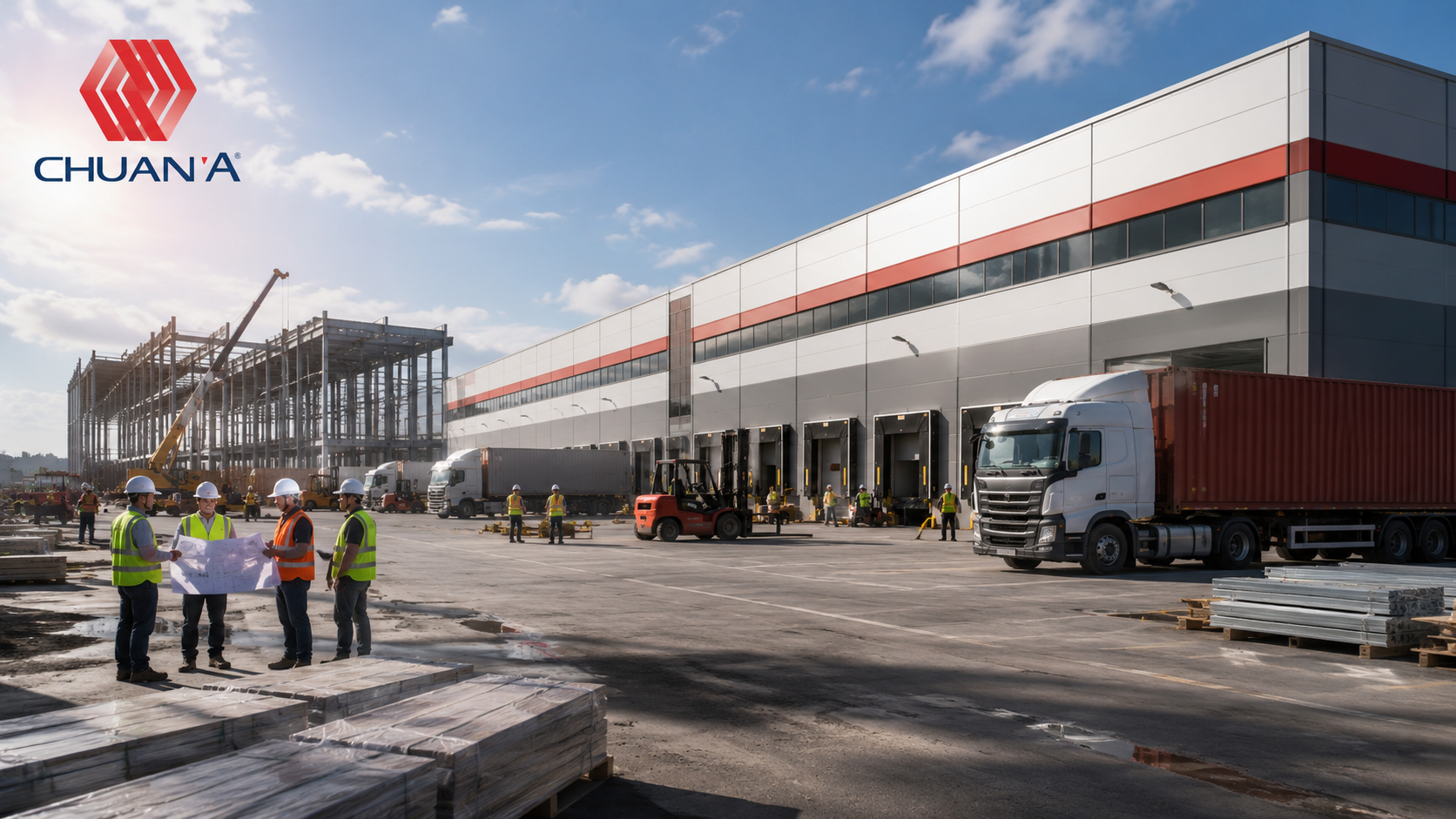
Hạ tầng khu công nghiệp là nền móng vận hành của toàn bộ hệ sinh thái sản xuất. Nếu nhà xưởng là nơi tạo ra sản phẩm, thì hạ tầng là hệ thống đường mạch giúp con người, hàng hóa, nước, điện, dữ liệu và phương tiện di chuyển trơn tru. Một khu công nghiệp có hạ tầng tốt sẽ thu hút nhà đầu tư, giảm chi phí vận hành và tăng độ an toàn cho doanh nghiệp.
Thi công hạ tầng khu công nghiệp không đơn giản là làm đường và đặt vài tuyến ống. Đó là quá trình quy hoạch đồng bộ giữa giao thông, san nền, thoát nước, cấp nước, điện, chiếu sáng, viễn thông, PCCC, cây xanh, sân bãi và hệ thống kỹ thuật phụ trợ.
.png)
Các hạng mục hạ tầng thường bao gồm đường nội bộ, nền bãi, hệ thống thoát nước mưa, thoát nước thải, cấp nước, điện trung hạ thế, chiếu sáng, thông tin liên lạc, hệ thống PCCC, biển báo, cây xanh, hàng rào, cổng, trạm kỹ thuật và các khu phụ trợ.
Tùy quy mô dự án, hạ tầng có thể mở rộng thêm trạm xử lý nước thải, trạm bơm, hồ điều hòa, bãi xe, nhà điều hành và khu dịch vụ. Mỗi hạng mục đều cần liên kết với nhau. Một con đường đẹp nhưng thoát nước kém vẫn có thể gây ngập. Một hệ thống điện mạnh nhưng thiếu quy hoạch tuyến cáp có thể khó bảo trì.
Đường nội bộ là hệ tuần hoàn của khu công nghiệp. Thiết kế giao thông cần tính loại xe, tải trọng, bán kính quay đầu, lối vào, lối ra, điểm dừng, bãi đỗ và luồng xe container. Nếu đường quá hẹp, cua quá gắt hoặc tải trọng nền không phù hợp, hoạt động logistics sẽ bị ảnh hưởng.
Giao thông nội bộ cũng cần gắn với an toàn. Biển báo, vạch kẻ đường, chiếu sáng, phân luồng xe và lối đi bộ giúp giảm nguy cơ tai nạn trong khu vực có nhiều phương tiện nặng. Một khu công nghiệp vận hành tốt là nơi xe tải, xe container, nhân sự và hàng hóa di chuyển có trật tự.
.png)
San nền quyết định cao độ tổng thể và khả năng chống ngập. Khu công nghiệp thường có diện tích lớn, nếu cao độ không hợp lý, nước có thể dồn về một số khu vực, gây ngập cục bộ. Thoát nước mưa cần tính lưu lượng, độ dốc, hố ga, tuyến cống và điểm xả.
Thoát nước thải cũng là hạng mục quan trọng. Nước thải từ các nhà máy cần được thu gom và xử lý theo yêu cầu phù hợp trước khi xả ra môi trường. Nếu hệ thống thoát nước không đồng bộ, doanh nghiệp thuê đất có thể gặp khó trong vận hành.
Khu công nghiệp cần nguồn điện ổn định cho nhà máy, kho, văn phòng, hạ tầng kỹ thuật, chiếu sáng và hệ thống an ninh. Quy hoạch điện phải tính công suất hiện tại và khả năng mở rộng. Tuyến cáp, tủ điện, trạm biến áp và hệ thống tiếp địa cần được bố trí dễ quản lý.
Chiếu sáng đường nội bộ, cổng, bãi xe và khu kỹ thuật giúp tăng an toàn vào ban đêm. Một khu công nghiệp thiếu sáng không chỉ bất tiện mà còn ảnh hưởng an ninh. Vì vậy, hệ thống chiếu sáng cần được xem là một phần của vận hành, không chỉ là trang bị phụ.
PCCC không chỉ nằm trong từng nhà xưởng. Khu công nghiệp cần có hạ tầng hỗ trợ như nguồn nước, họng nước chữa cháy, đường cho xe chữa cháy tiếp cận, biển chỉ dẫn và phương án an toàn tổng thể. Nếu hạ tầng PCCC yếu, từng nhà máy bên trong cũng khó đạt mức an toàn cao.
Khi quy hoạch PCCC, cần tính khoảng cách tiếp cận, lưu lượng nước, vị trí trụ nước, lối giao thông và khả năng phối hợp khi có sự cố. Một hệ thống PCCC hạ tầng tốt giúp nâng mức an toàn chung của toàn khu.
Hạ tầng khu công nghiệp phải nhìn xa. Nhu cầu hôm nay có thể nhỏ hơn rất nhiều so với vài năm sau. Nếu đường, điện, nước, thoát nước và PCCC không có khả năng mở rộng, chi phí nâng cấp sau này sẽ rất lớn. Quy hoạch dài hạn giúp khu công nghiệp phát triển bền vững và hấp dẫn hơn với nhà đầu tư.
Một hạ tầng tốt không chỉ đáp ứng hiện tại mà còn có khả năng thích nghi. Khi số lượng nhà máy tăng, lưu lượng xe nhiều hơn, nhu cầu điện nước lớn hơn, hệ thống vẫn cần vận hành ổn định.
Chuẩn A có kinh nghiệm trong xây dựng công nghiệp, nhà xưởng, hạ tầng kỹ thuật, M&E và PCCC. Đây là những năng lực cần thiết để triển khai các dự án hạ tầng khu công nghiệp theo hướng đồng bộ. Khi các hạng mục được phối hợp ngay từ đầu, chủ đầu tư có thể kiểm soát tốt hơn về tiến độ, chất lượng và khả năng vận hành dài hạn.
Hạ tầng khu công nghiệp là phần âm thầm nhưng quyết định giá trị vận hành của toàn dự án. Một hệ thống hạ tầng tốt giúp doanh nghiệp sản xuất thuận lợi, logistics nhanh hơn, an toàn cao hơn và chi phí vận hành thấp hơn. Với kinh nghiệm trong xây dựng công nghiệp, hạ tầng, M&E và PCCC, Chuẩn A có thể đồng hành cùng chủ đầu tư trong các dự án cần sự đồng bộ, bền vững và hiệu quả dài hạn.


